


Asoke Skin hospital
Specialized Dermatology Hospital in Thailand


Asoke Skin Hospital is a specialized hospital focused exclusively on dermatology, offering comprehensive skin treatment services. The hospital is fully equipped with modern medical instruments and staffed with a team of board-certified dermatologists

contact Us
Line ID: @Asokeskin
E-mail: info@asokeskin.com

Doctor
Timetable

Opening Hours
Everyday
Asoke: 9.00 AM - 9.00 PM
Pinklao: 10.00 AM - 8.30 PM
UdonThani: 11.00 AM - 9.00 PM
Our Hospital Services

Prevent athlete’s foot by washing and drying feet thoroughly, changing socks daily, avoiding shared towels, wearing sandals in public showers, keeping feet ventilated, and consulting a doctor if symptoms occur.
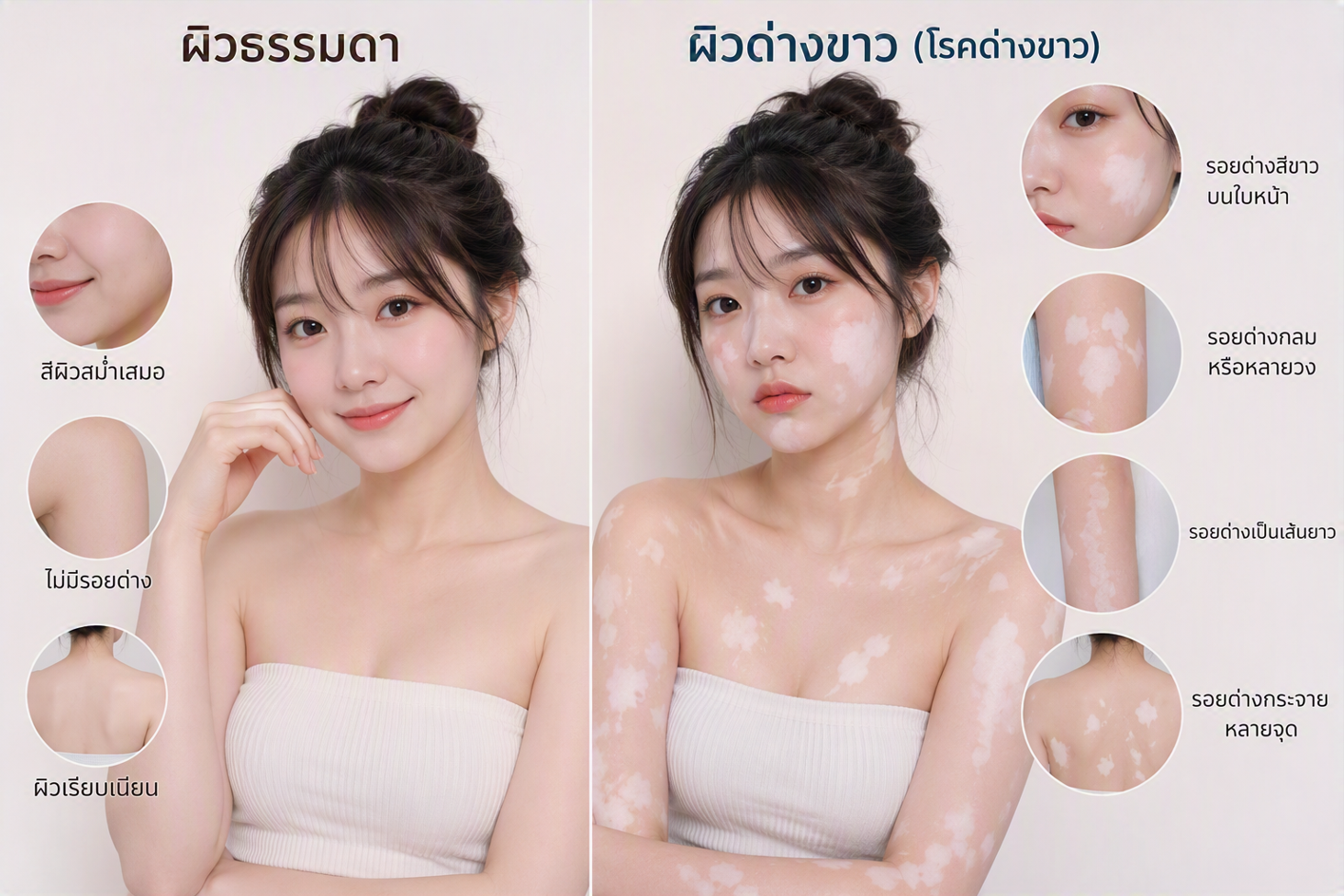
Vitiligo is an autoimmune skin disorder that destroys melanocytes, causing white patches; it can affect anyone, is not contagious, and may be treated with topical medications, phototherapy, laser therapy, or pigment transplantation.
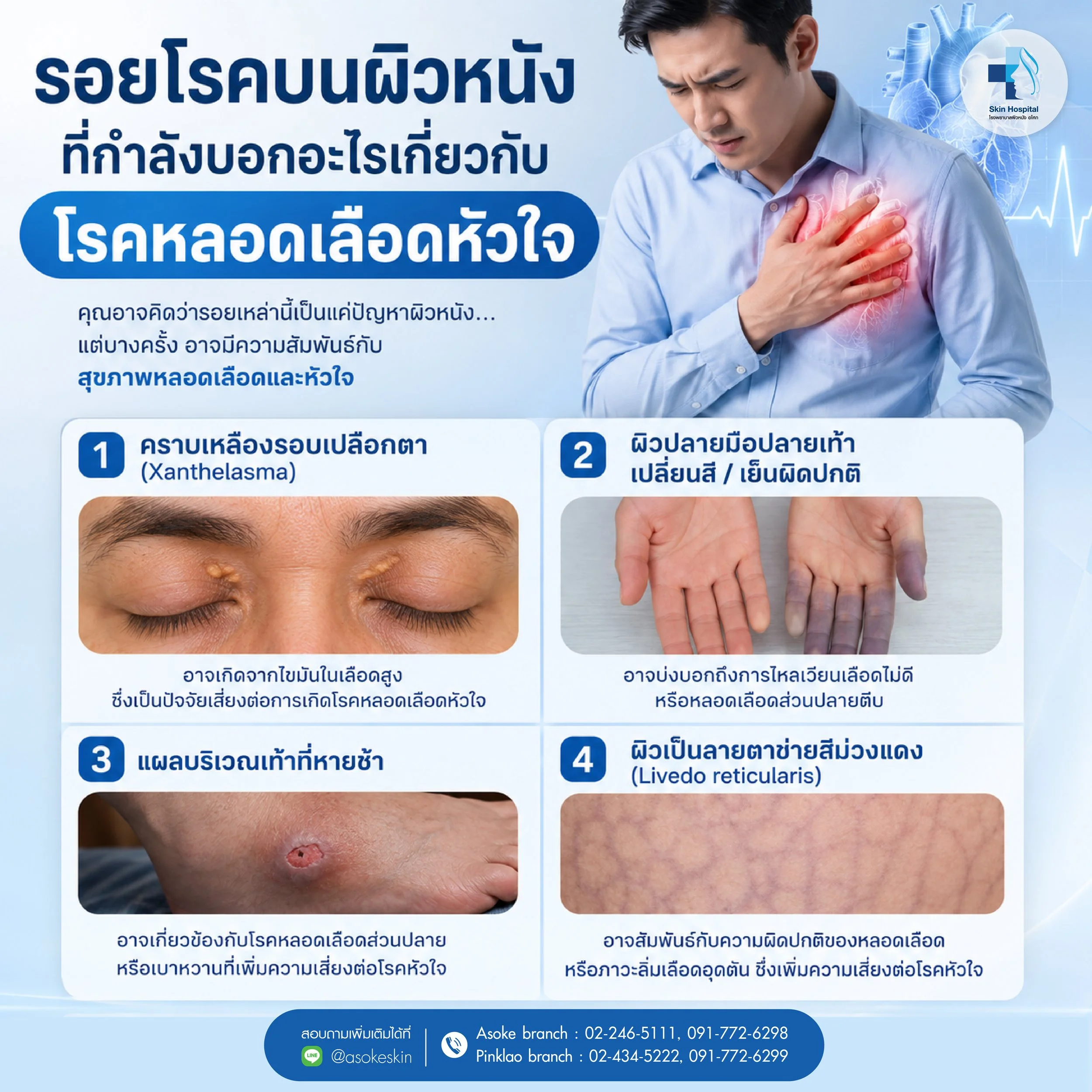
Skin changes such as xanthelasma, poor circulation, slow-healing foot wounds, or livedo reticularis may signal vascular risk and warrant medical evaluation, especially with heart-disease risk factors.
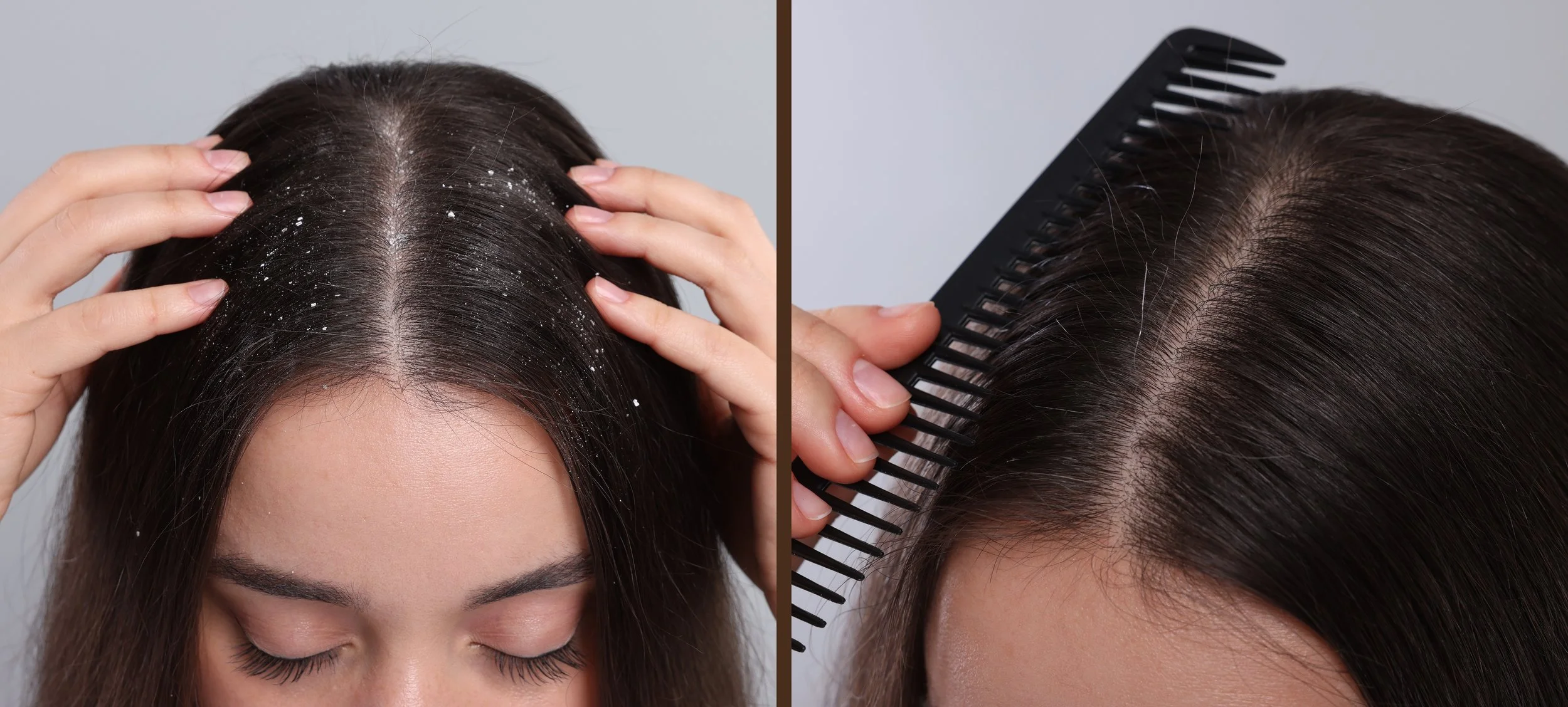
Treat dandruff by using anti-dandruff shampoo, maintaining proper scalp care, avoiding triggers, and consulting a doctor if symptoms are severe or persistent.
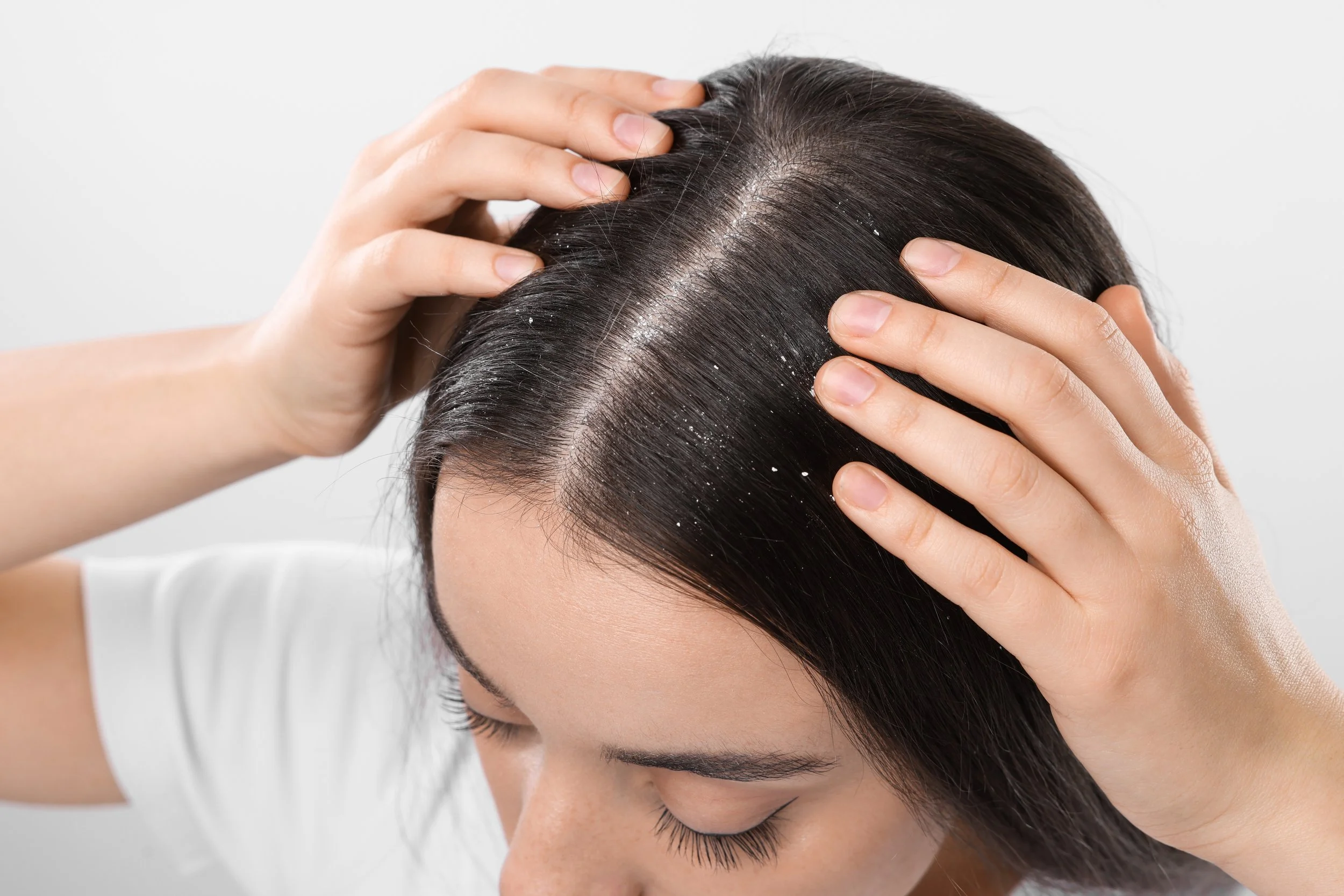
Dandruff is caused by accelerated scalp cell turnover, often linked to Malassezia yeast, scalp imbalance, and lifestyle factors such as stress, poor sleep, and weakened immunity.
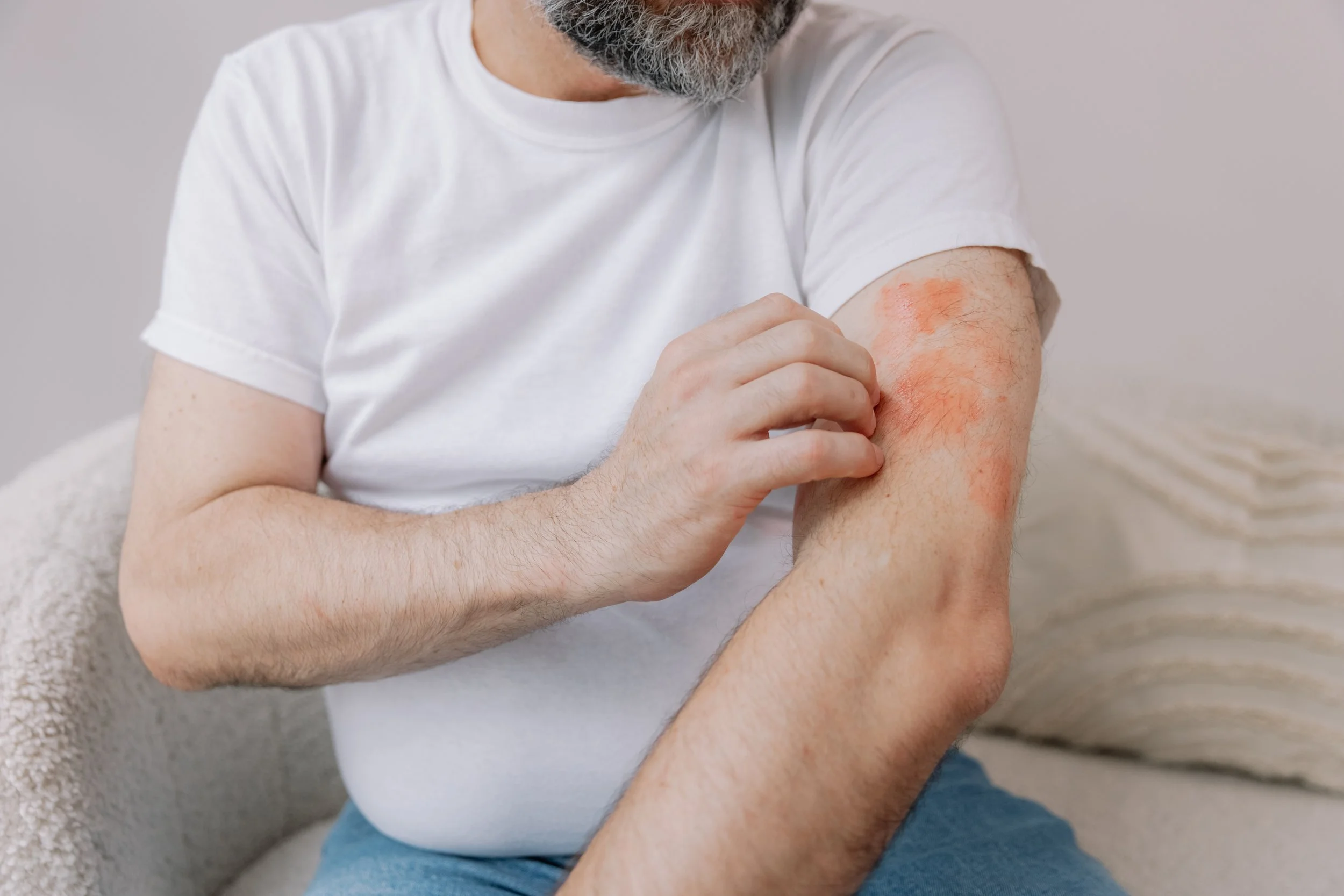
Nummular dermatitis is a chronic, non-contagious coin-shaped eczema that causes itchy or non-itchy round plaques and is managed with moisturizers, medium- to high-potency topical corticosteroids, treatment of any underlying infection, and regular medical follow-up.
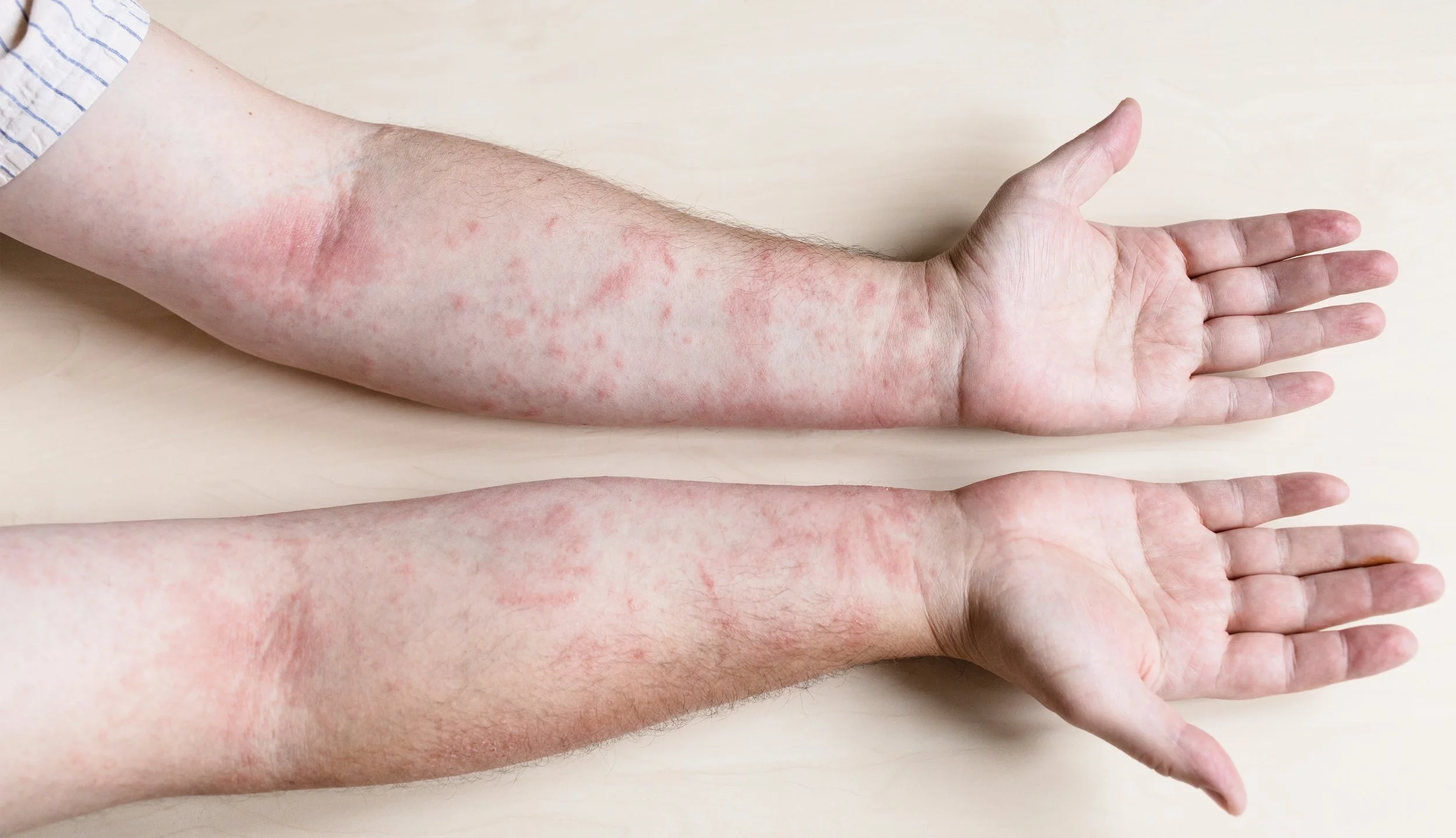
Contact dermatitis is an inflammatory skin condition caused by contact with irritants or allergens, leading to redness, itching, swelling, or blisters, and is best managed by avoiding triggers and caring for the skin.
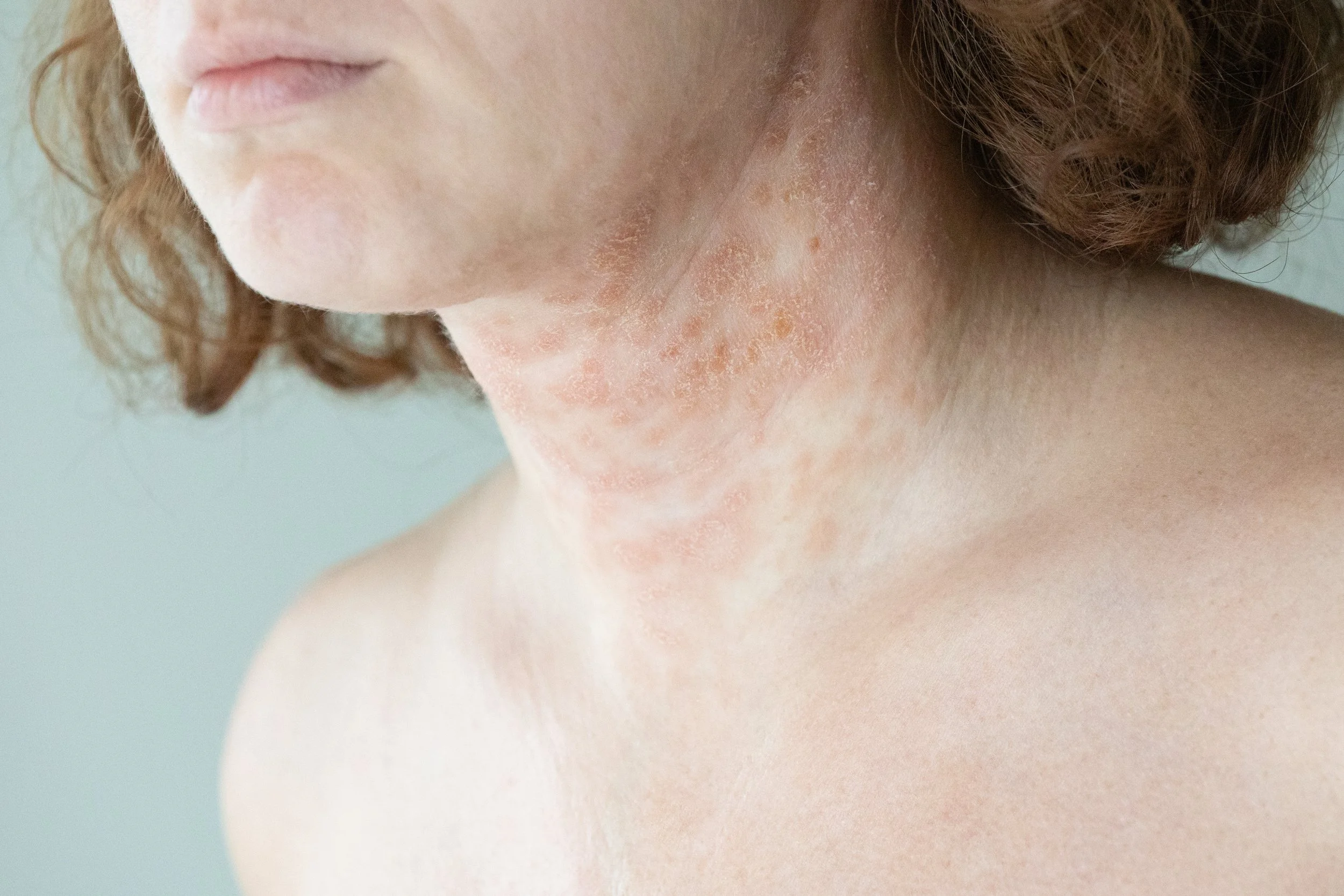
Atopic dermatitis is a common chronic childhood skin condition causing dry, itchy skin, managed by avoiding triggers, proper skin care, and ongoing medical follow-up.
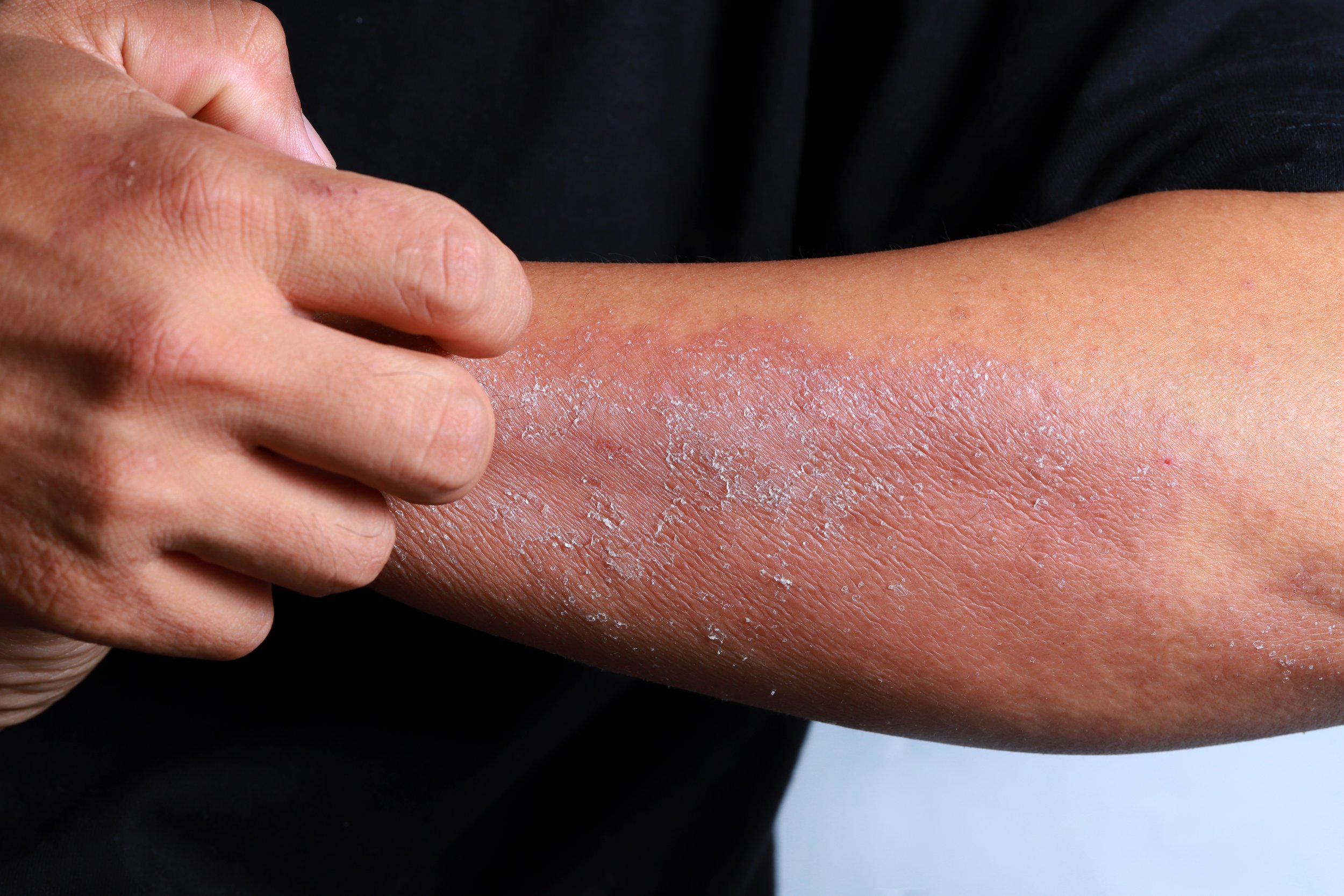
Eczema (Dermatitis) is a non-contagious inflammatory skin condition causing itchy, irritated rashes that progress from acute (red, oozing blisters) to subacute (dry, scaly skin) and chronic (thickened, darkened, intensely itchy skin).
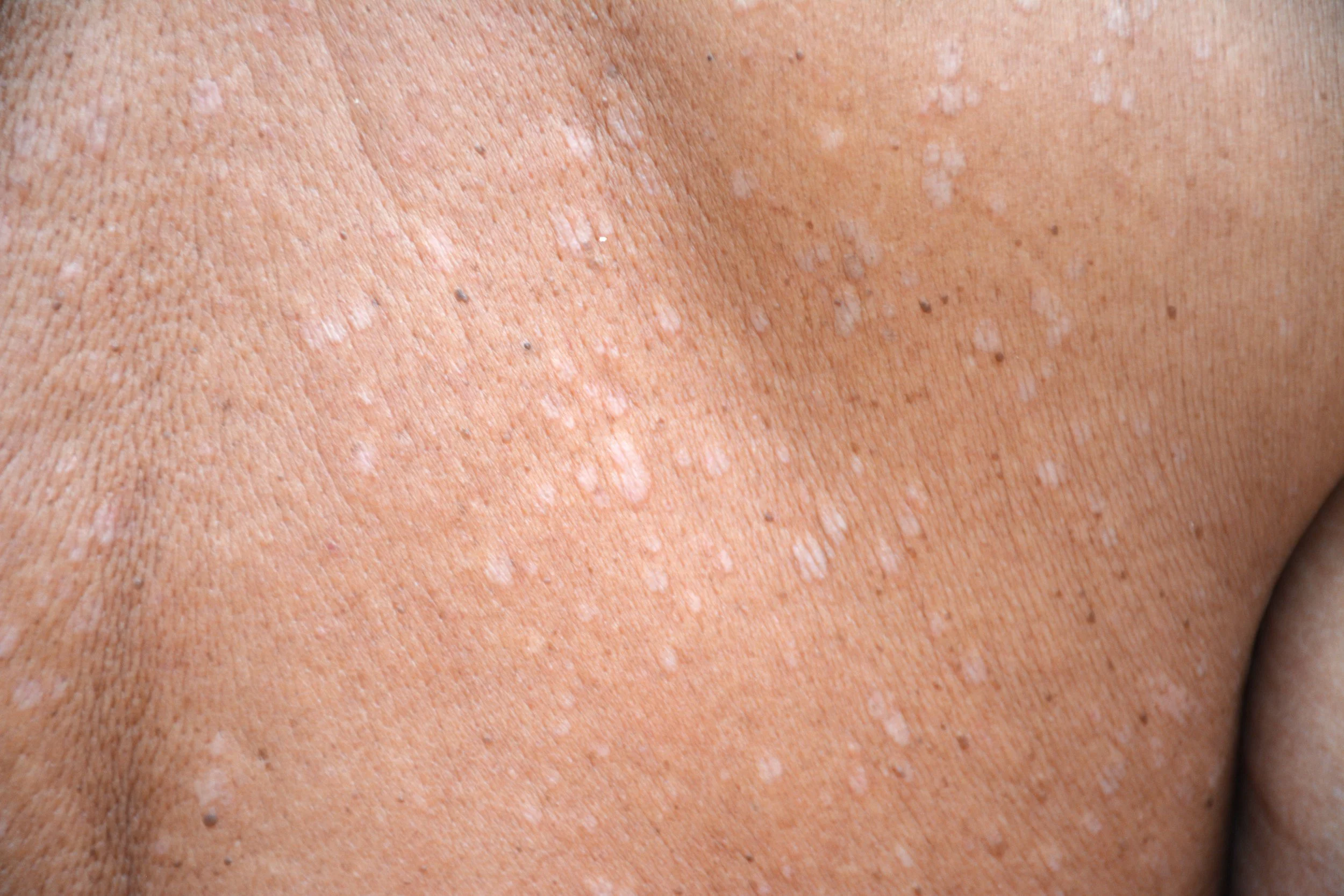
Pityriasis versicolor (tinea versicolor) is a common superficial fungal skin infection caused by overgrowth of Malassezia, resulting in discolored, slightly scaly patches that are treated with antifungals and helped by keeping the skin clean and dry.

Vitiligo is classified by lesion distribution into five types: focal (localized), segmental (one-sided), acrofacial (fingers, toes, and around the mouth), vulgaris (widespread), and universal (nearly entire body), with the latter three more commonly associated with endocrine diseases such as thyroid disease and diabetes.
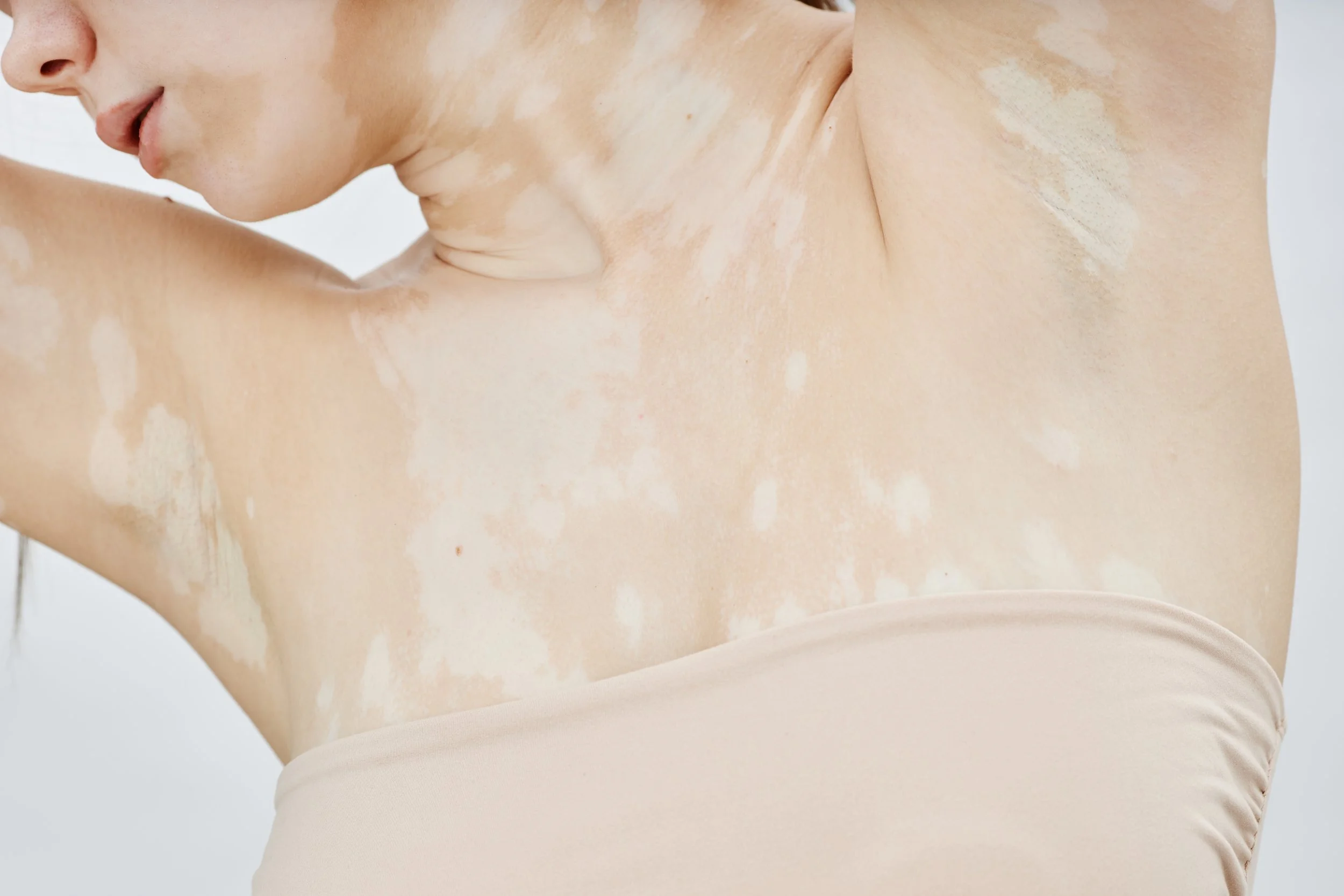
Vitiligo is a chronic skin condition in which loss of pigment-producing cells causes well-defined white patches on the skin; while incurable, treatments can help restore skin color and proper skin care supports management.
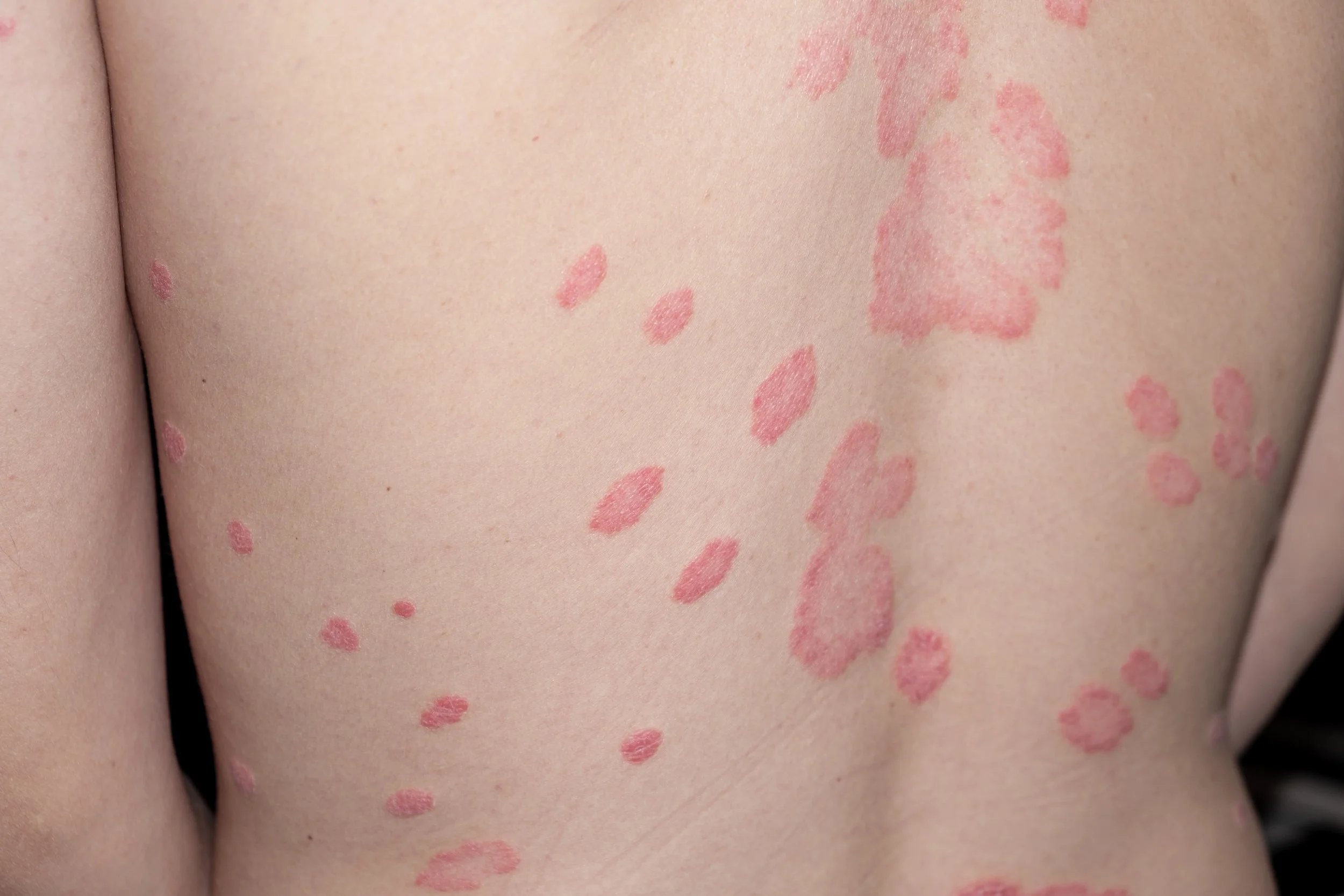
Psoriasis is a chronic immune-mediated skin disease that causes red, scaly patches and can be effectively managed with treatment, skincare, and avoidance of triggers.
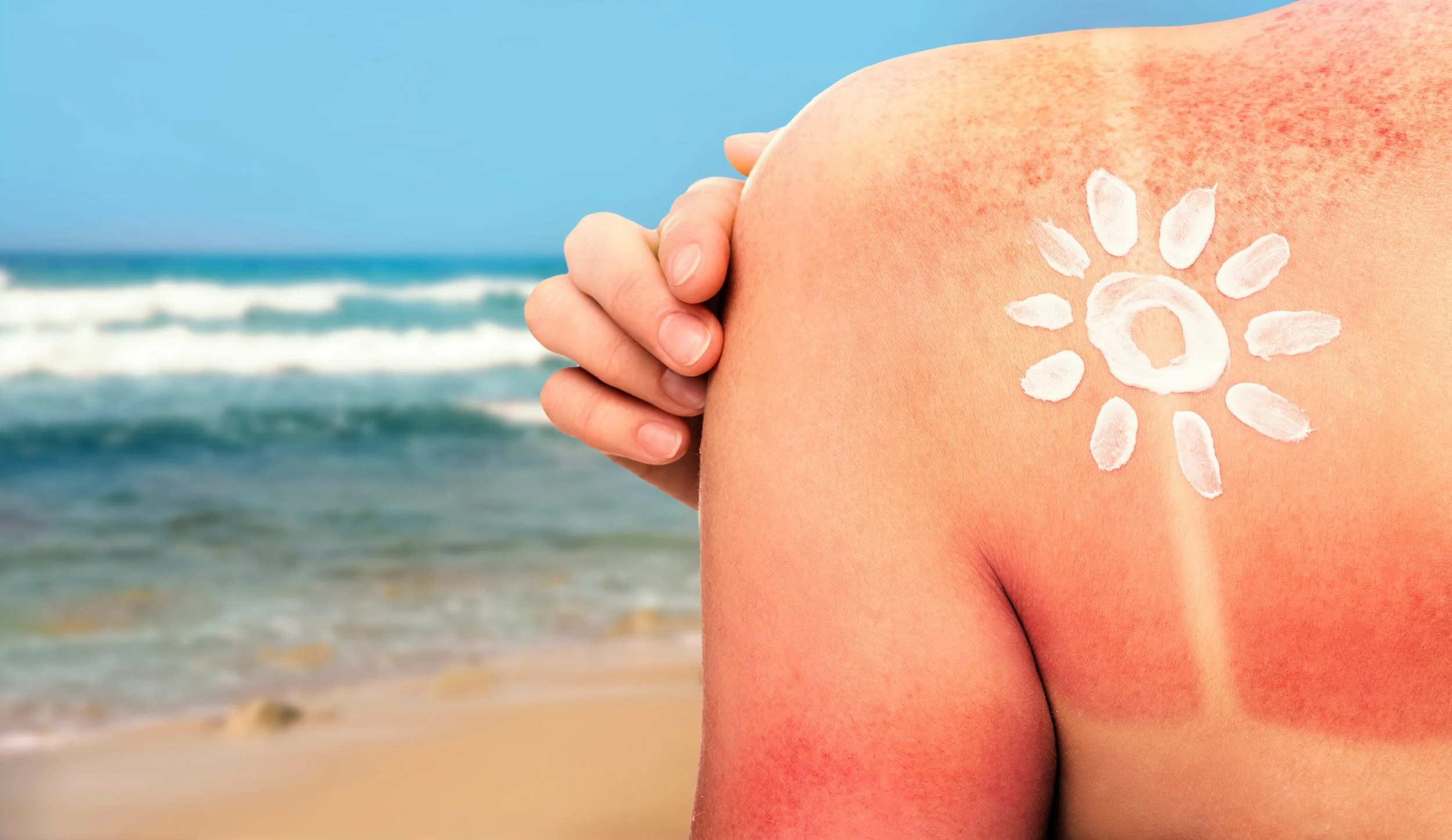
Skin cancer is the uncontrolled growth of abnormal skin cells, mainly caused by UV exposure, and can be prevented through sun protection and early detection.
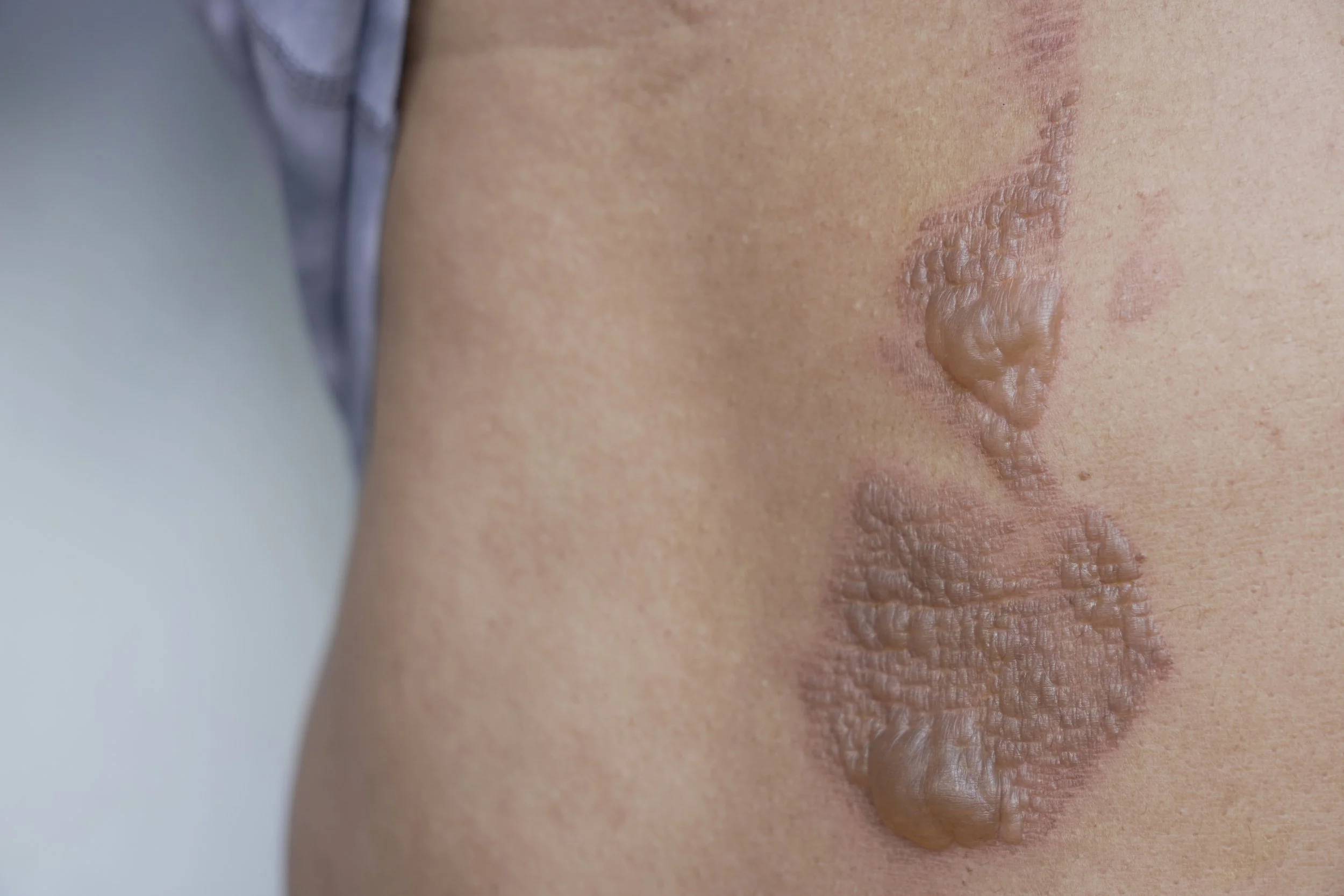
Keloid is an overgrowth of scar tissue that extends beyond the original wound, often appearing raised, firm, and persistent after skin injury.
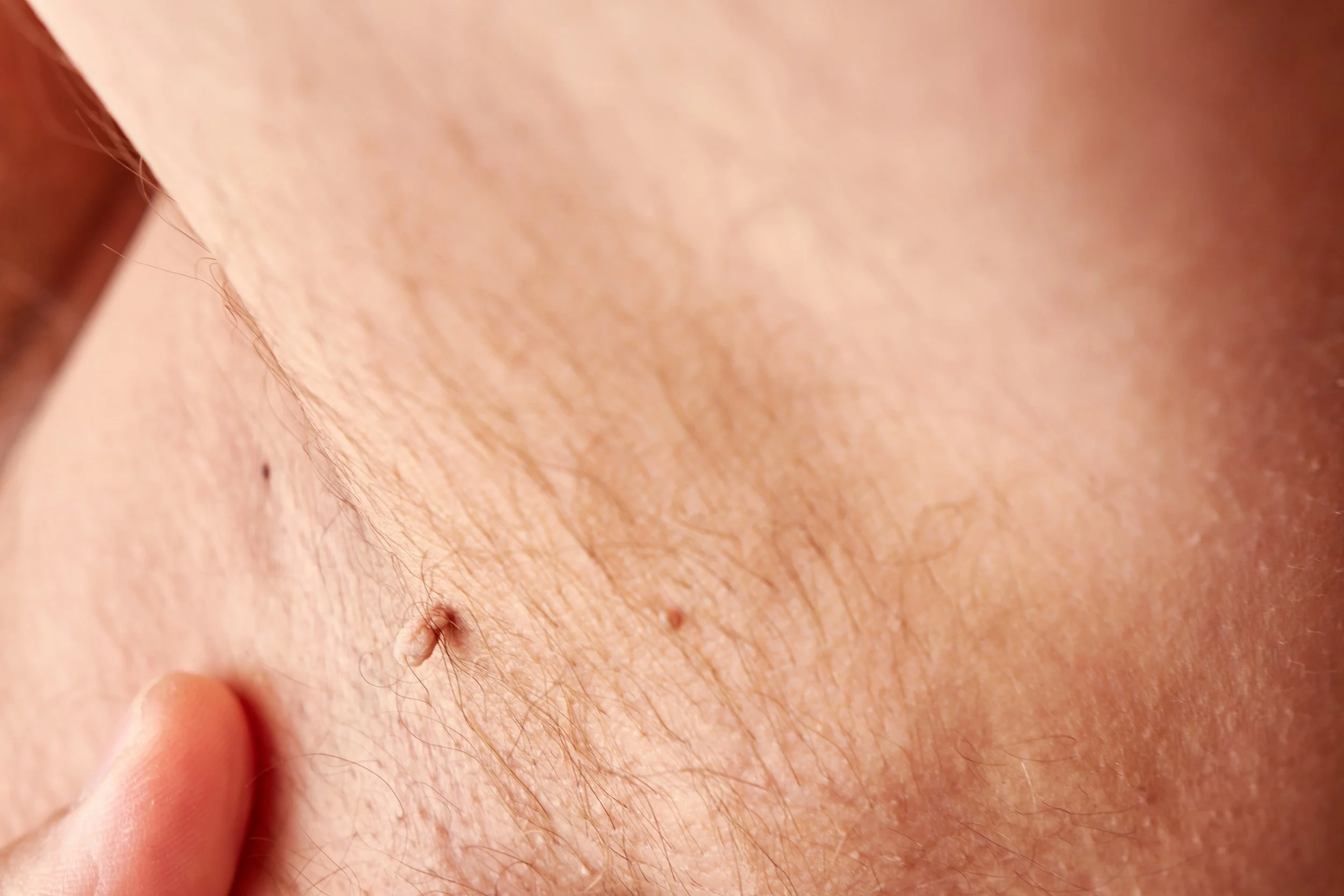
Skin tags are common benign skin growths, especially in adults over 50; maintaining a healthy weight, reducing skin friction, managing underlying conditions, and monitoring skin changes can help prevent them and identify when medical evaluation is needed.

Butterfly rash is a characteristic facial rash often seen in Systemic Lupus Erythematosus (SLE), an autoimmune disease that can affect multiple organs throughout the body.
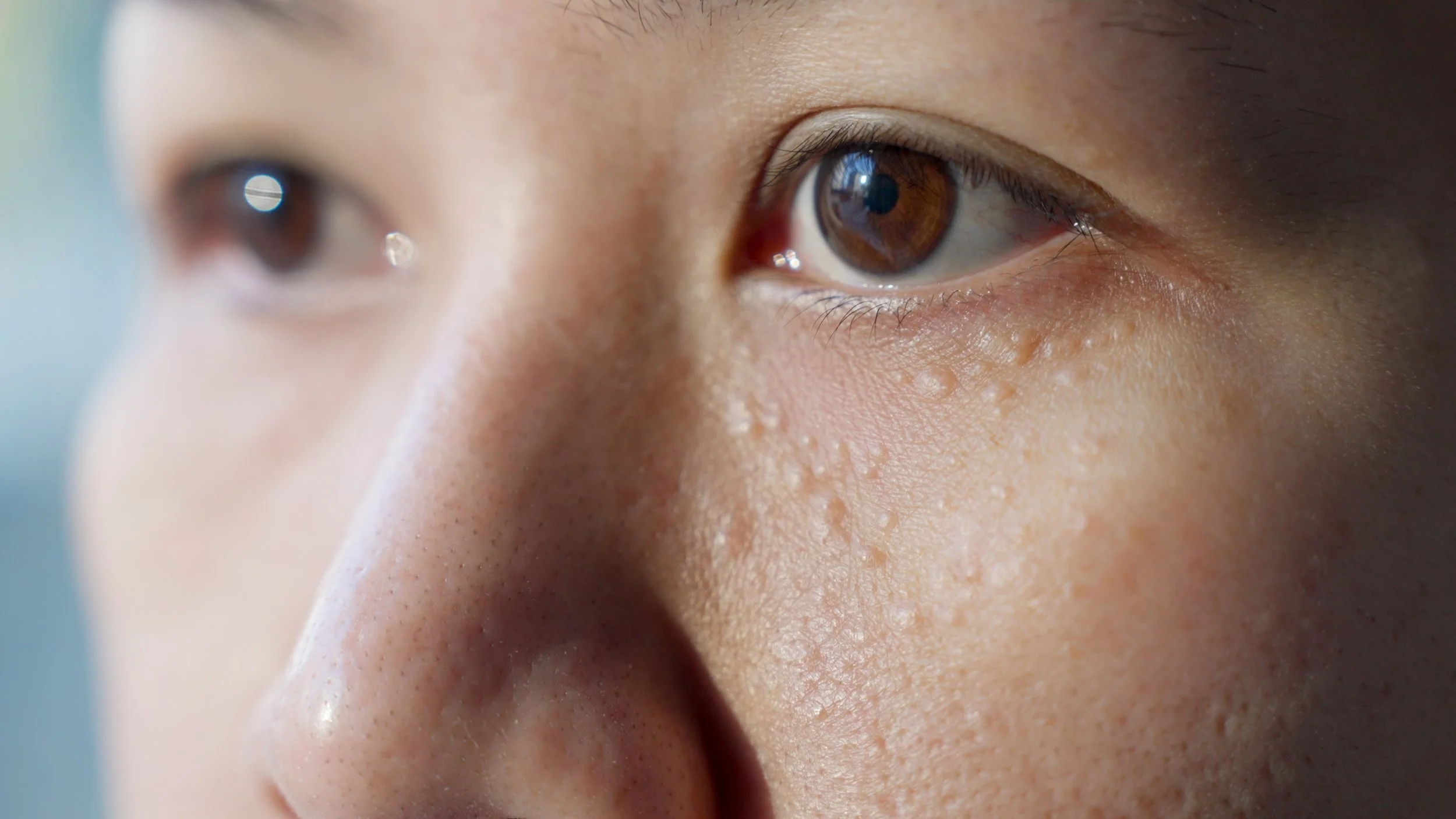
Seborrheic Keratosis (SK) is a common, noncancerous skin growth in adults, appearing as a waxy, raised lesion that may be skin-colored to dark brown and can be removed by cryotherapy, curettage, or laser if needed.
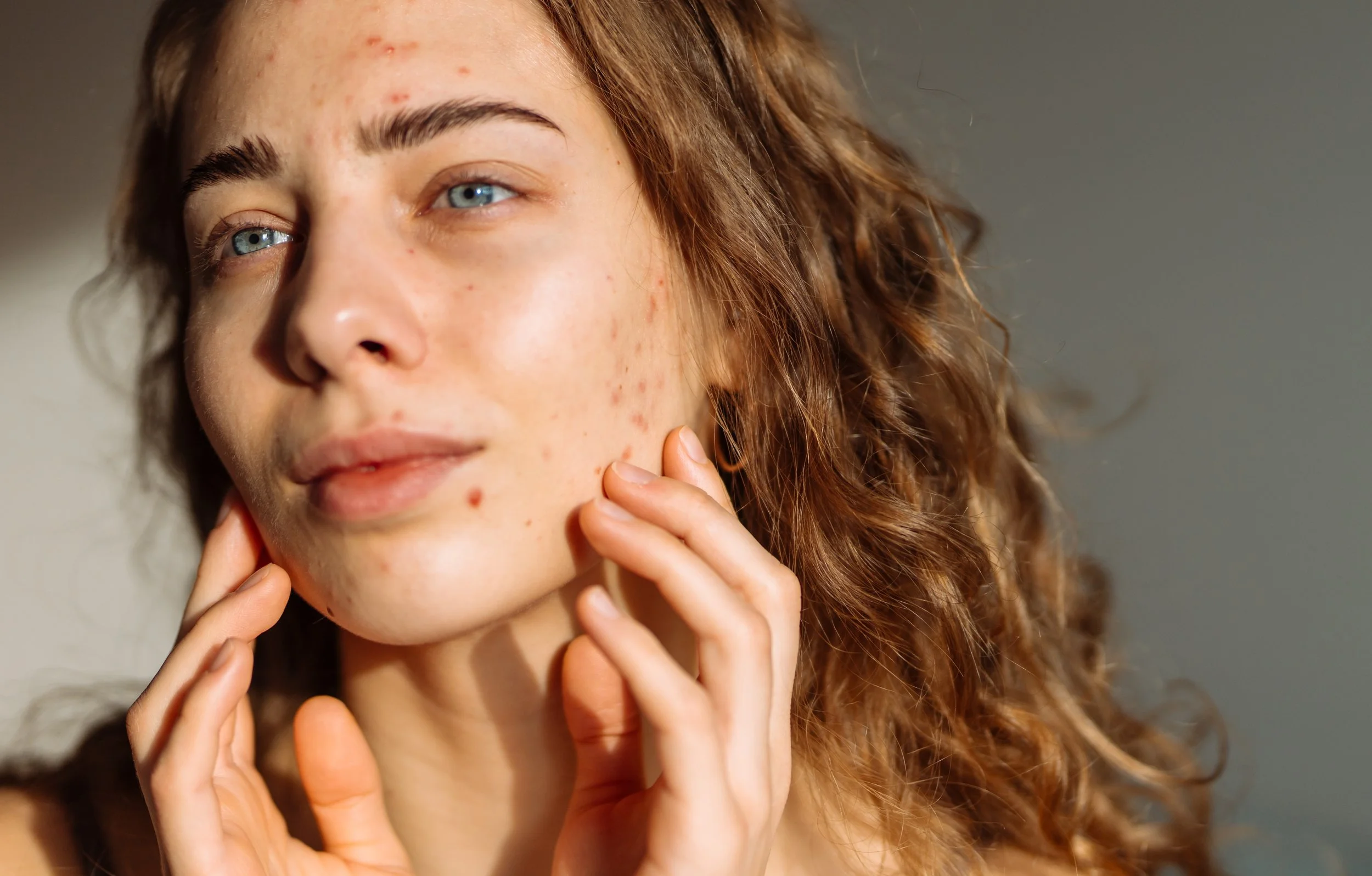
Facial redness and rashes may be caused by various inflammatory skin conditions—including seborrheic dermatitis, eczema, contact dermatitis, rosacea, acne, and steroid-induced skin damage—requiring accurate diagnosis for effective prevention and treatment.
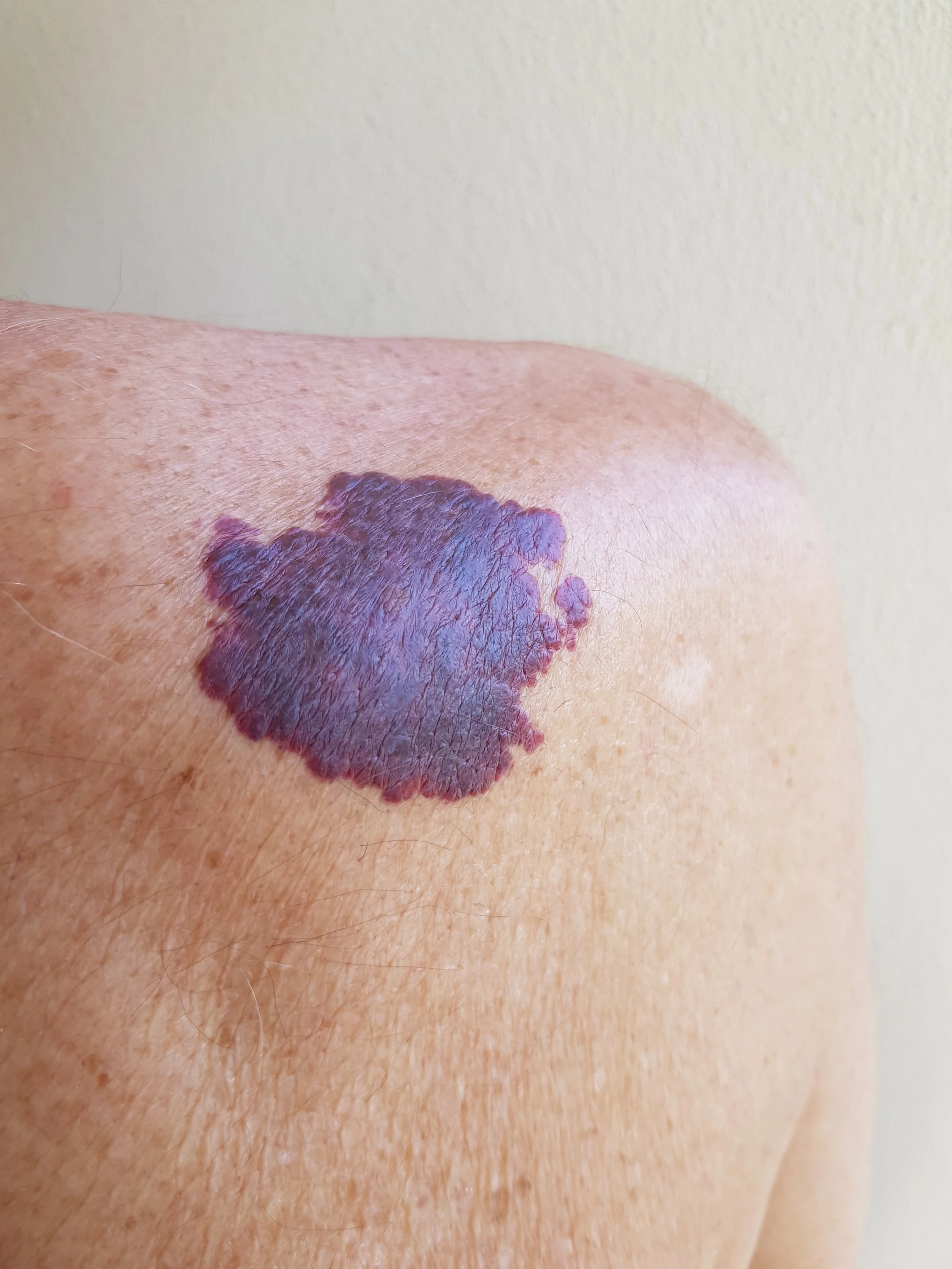
Port-wine stains are congenital vascular birthmarks that persist and may darken and thicken over time; pulsed dye laser is the standard treatment, and facial lesions near the eyes may be associated with brain or eye vascular abnormalities requiring further evaluation.
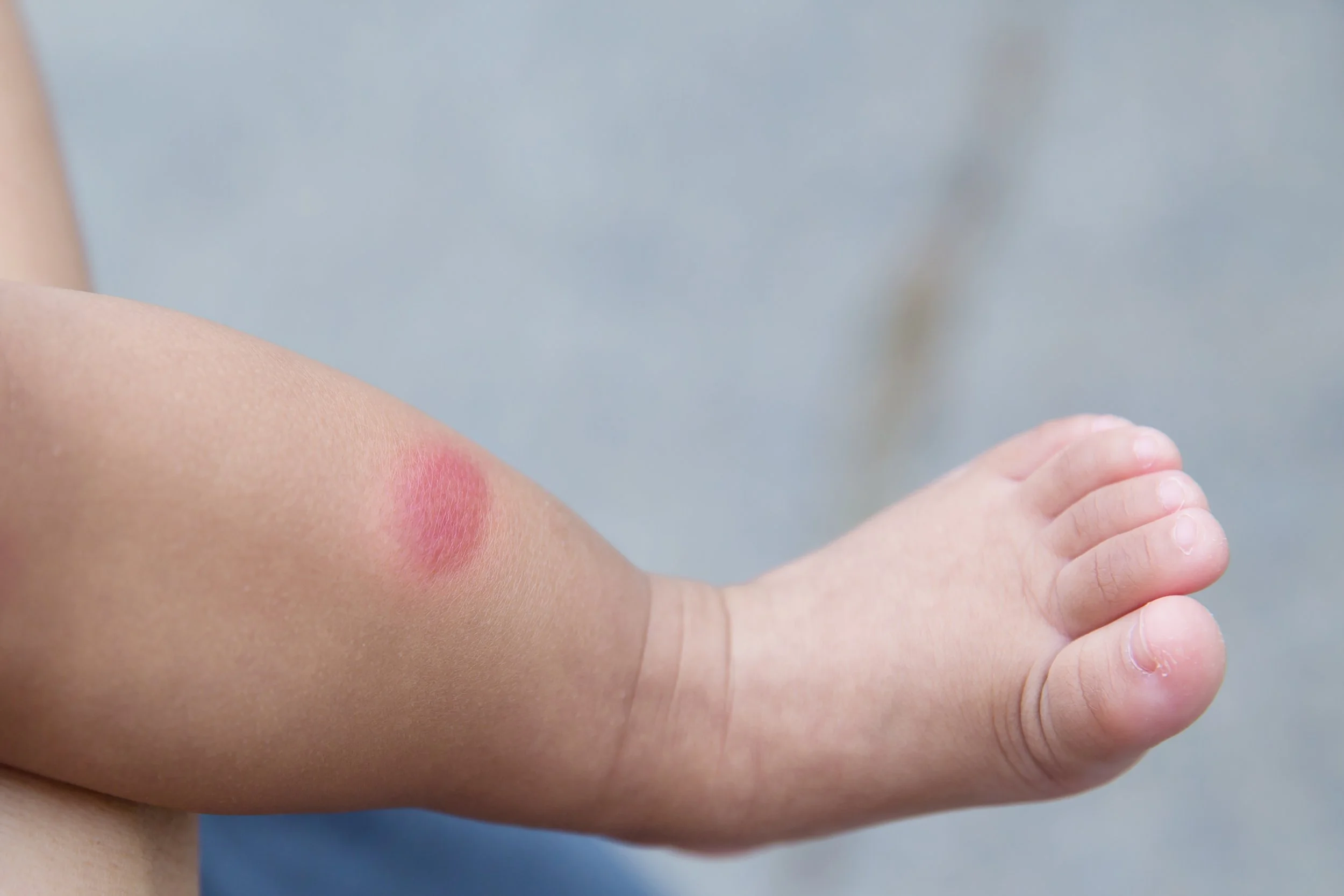
Hemangioma is a common benign vascular tumor in infants that grows rapidly during the first year of life, then gradually regresses, though treatment may be needed if it affects vital areas or causes complications.
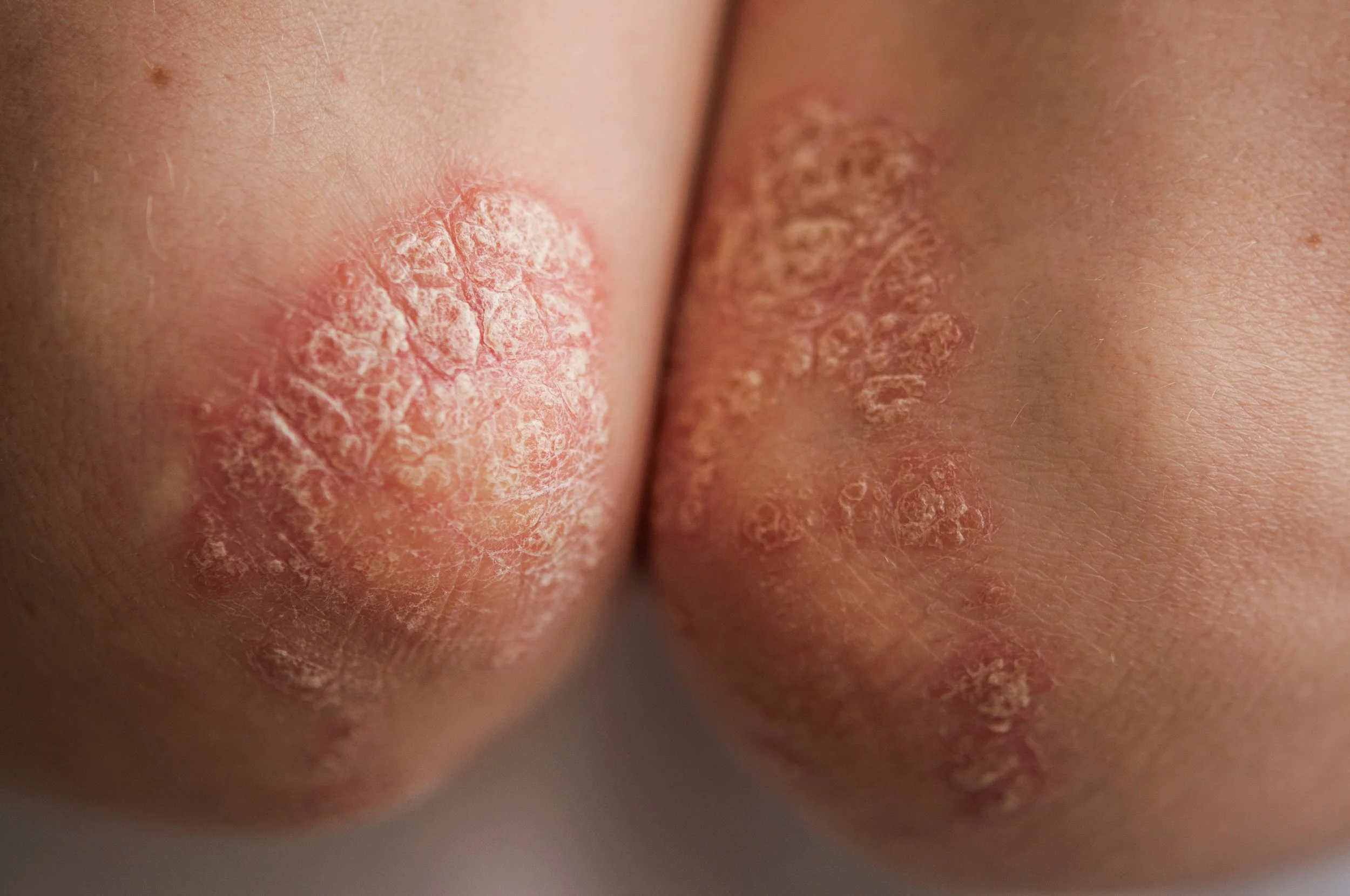
Psoriasis is a chronic autoimmune skin disease that causes red, scaly patches and recurring flare-ups, often triggered by genetics, stress, infections, dry weather, and certain medications.
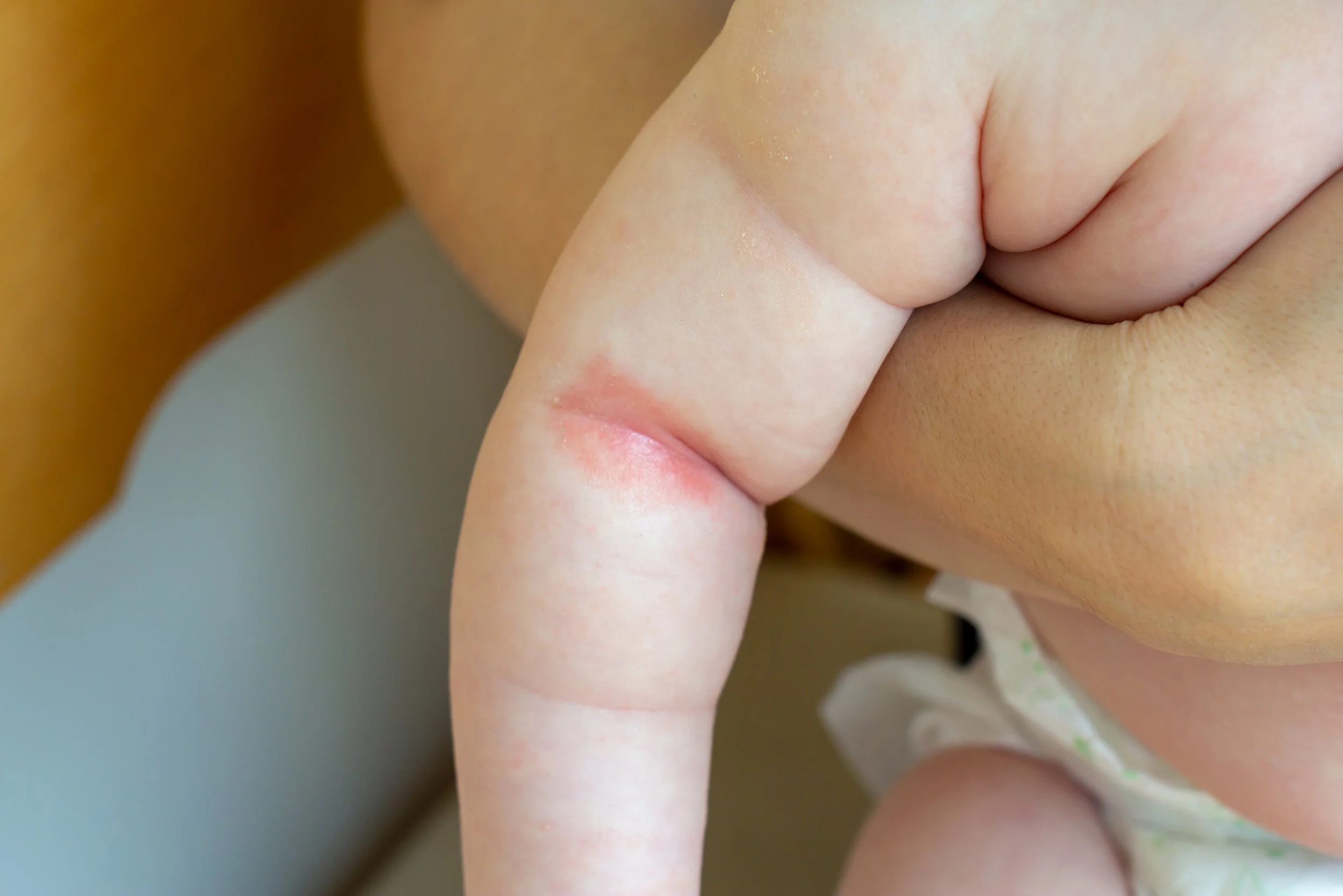
Henoch–Schönlein Purpura (IgA vasculitis) is a small-vessel immune-mediated vasculitis, most common in children, characterized by palpable non-blanching purpura, joint pain, abdominal symptoms, and possible kidney involvement, often following an upper respiratory infection.
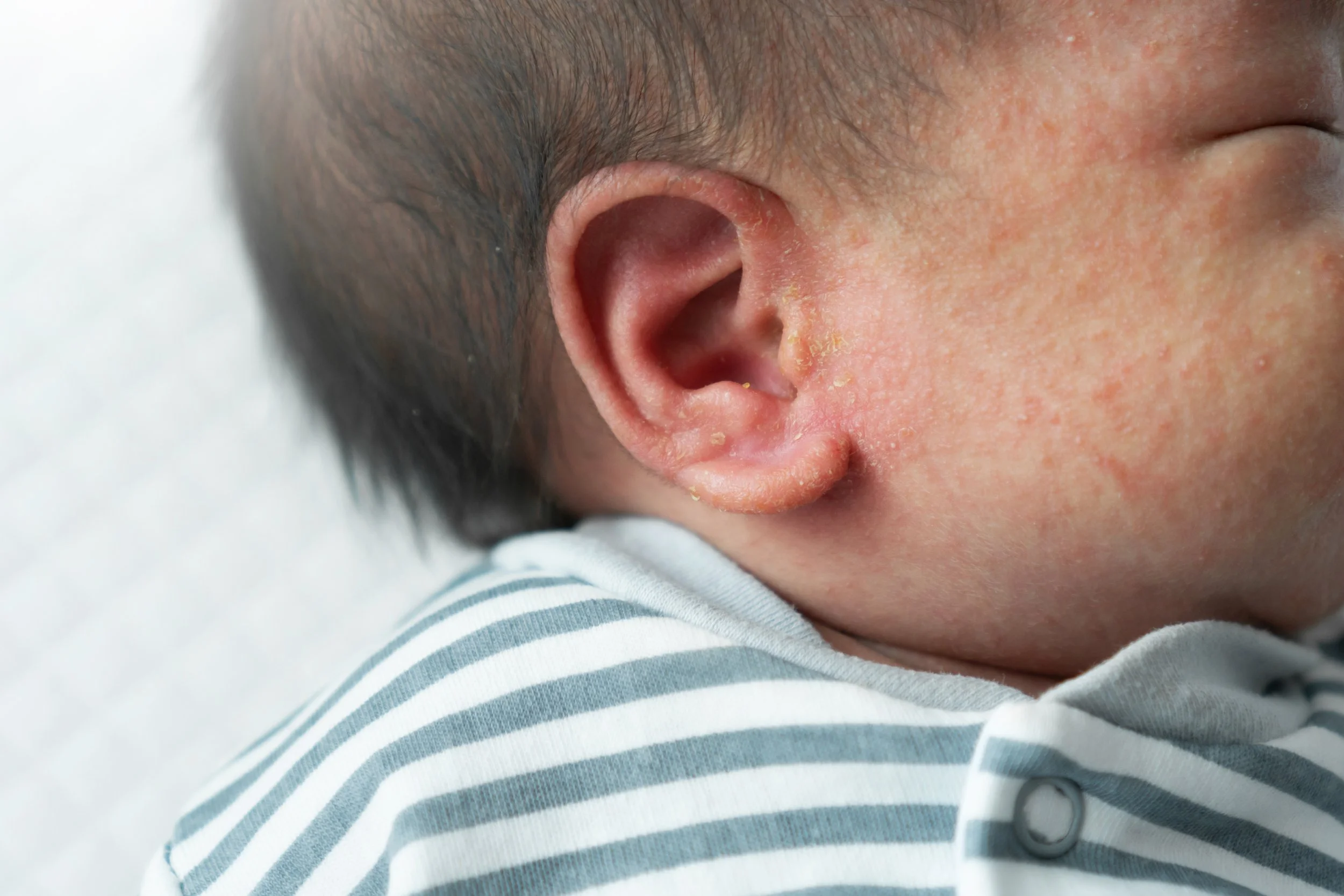
Neonatal Lupus Erythematosus (NLE) is a rare autoimmune condition in newborns caused by maternal autoantibodies crossing the placenta, leading to skin rash, congenital heart block, and possible liver, blood, and circulatory abnormalities.

Treatment of juvenile dermatomyositis requires accurate diagnosis and ongoing care, including medications, physical therapy, rest, sun protection, and monitoring for complications to control muscle and skin inflammation.
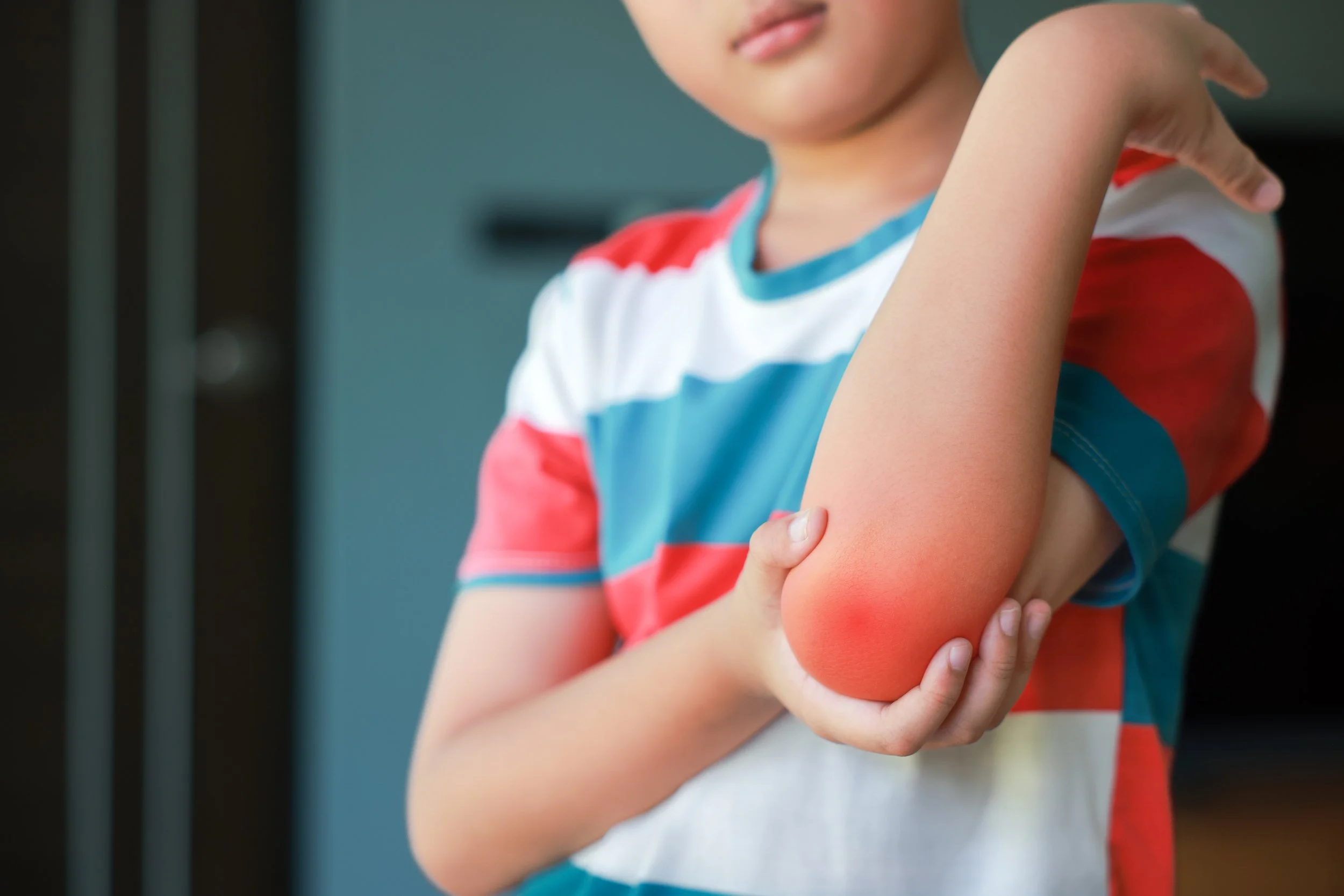
Juvenile Dermatomyositis (JDM) is a rare autoimmune disease in children aged 5–14 years, characterized by muscle inflammation and distinctive skin rashes, including heliotrope rash, butterfly-shaped facial rash, and Gottron’s papules over the knuckles.
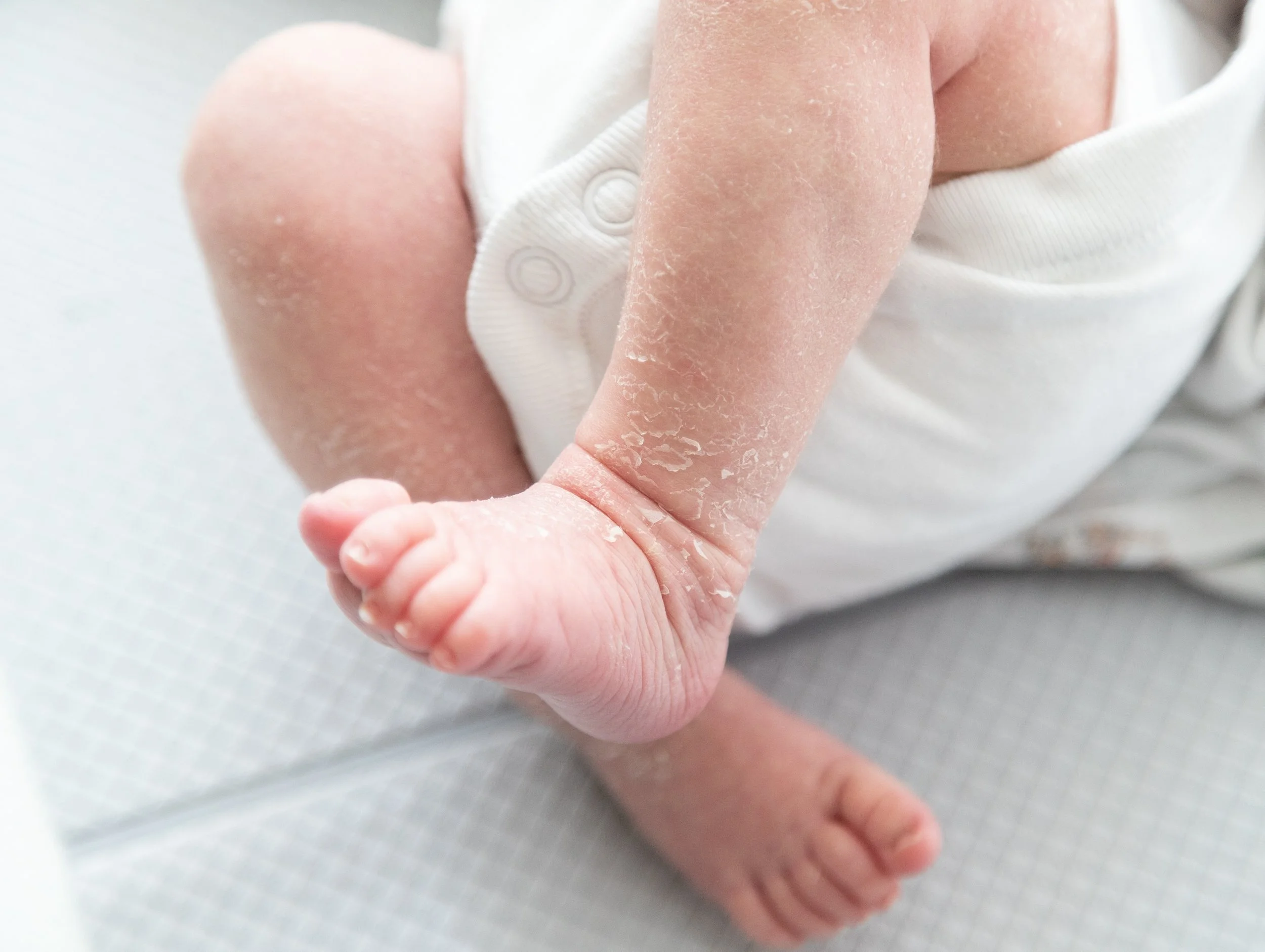
Epidermolysis Bullosa (Butterfly Children disease) is a rare genetic disorder causing extremely fragile skin that blisters and tears easily, often leading to chronic wounds, infections, nutritional problems, and deformities.
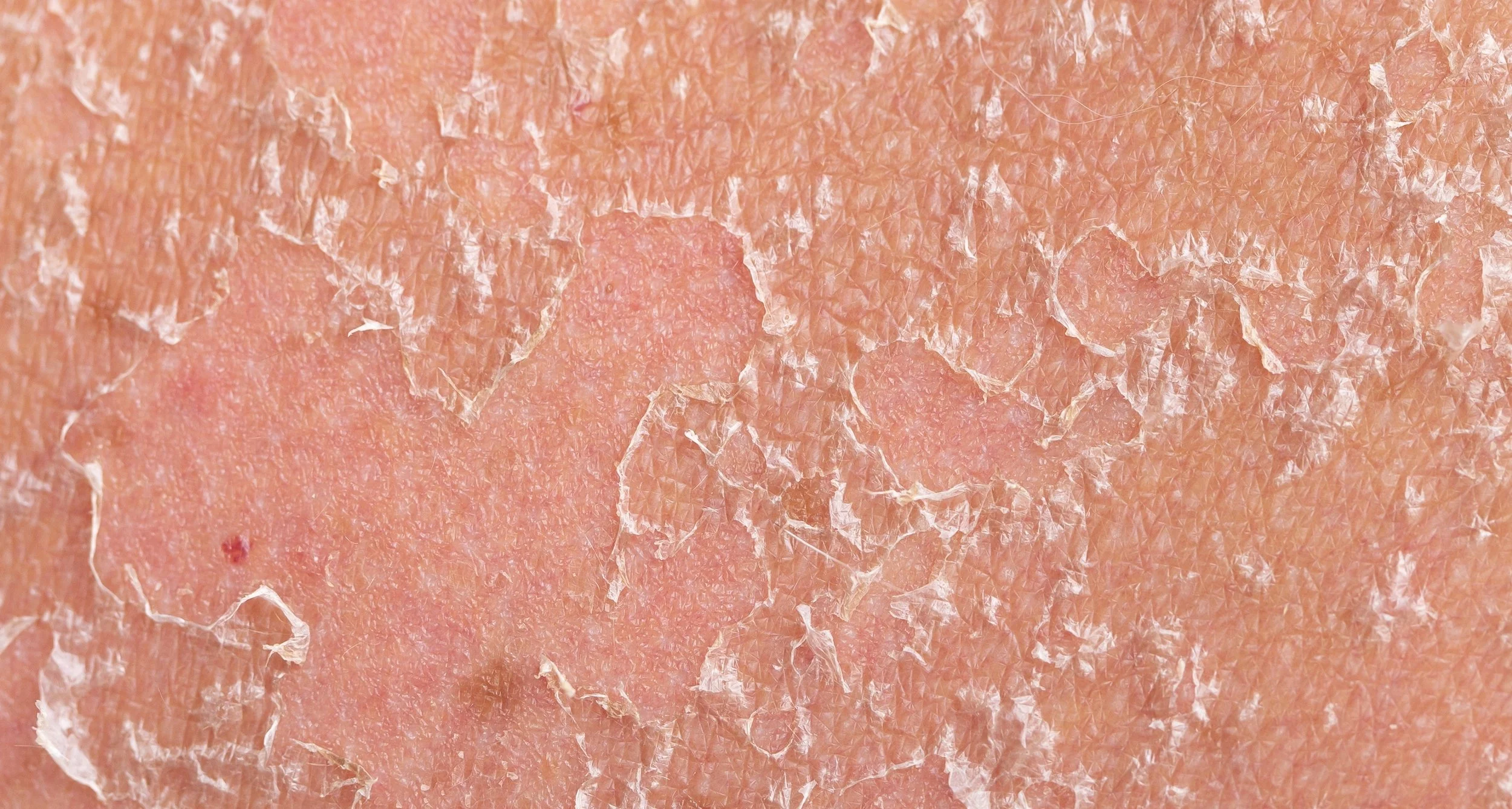
Lamellar ichthyosis treatment is mainly supportive care from birth, including incubator care, fluid management, and close monitoring to prevent skin infection, eye damage, breathing problems, and dehydration.

Lamellar Ichthyosis is a rare genetic skin disorder in which babies are born with thick, tight, armor-like skin that can cause breathing, feeding, movement, and eye problems.
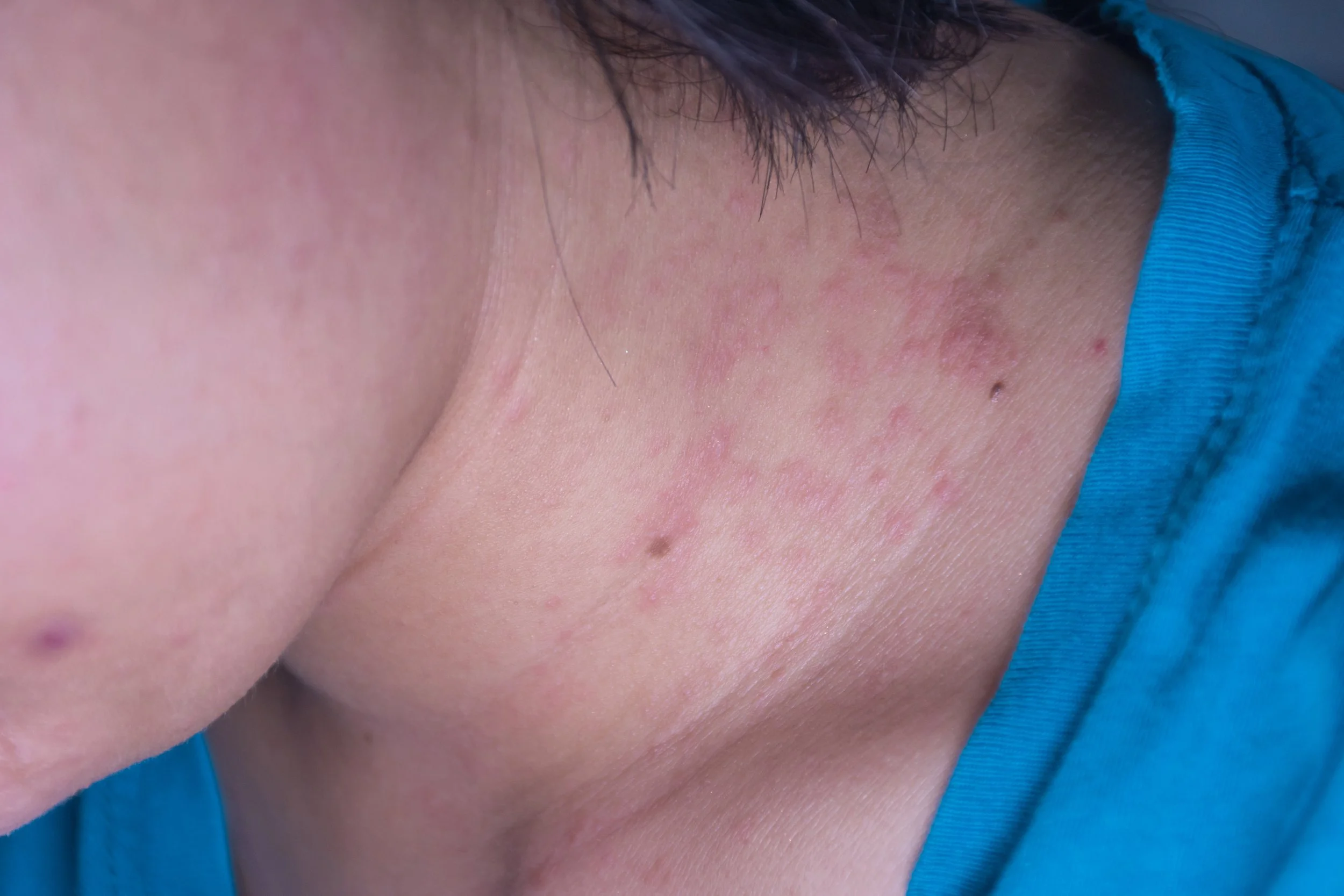
Candidiasis (yeast infection) is a common fungal infection in children under 3 years old, causing red moist rashes in skin folds or white patches in the mouth, and is treated with good hygiene and antifungal medications such as Gentian Violet or Nystatin.
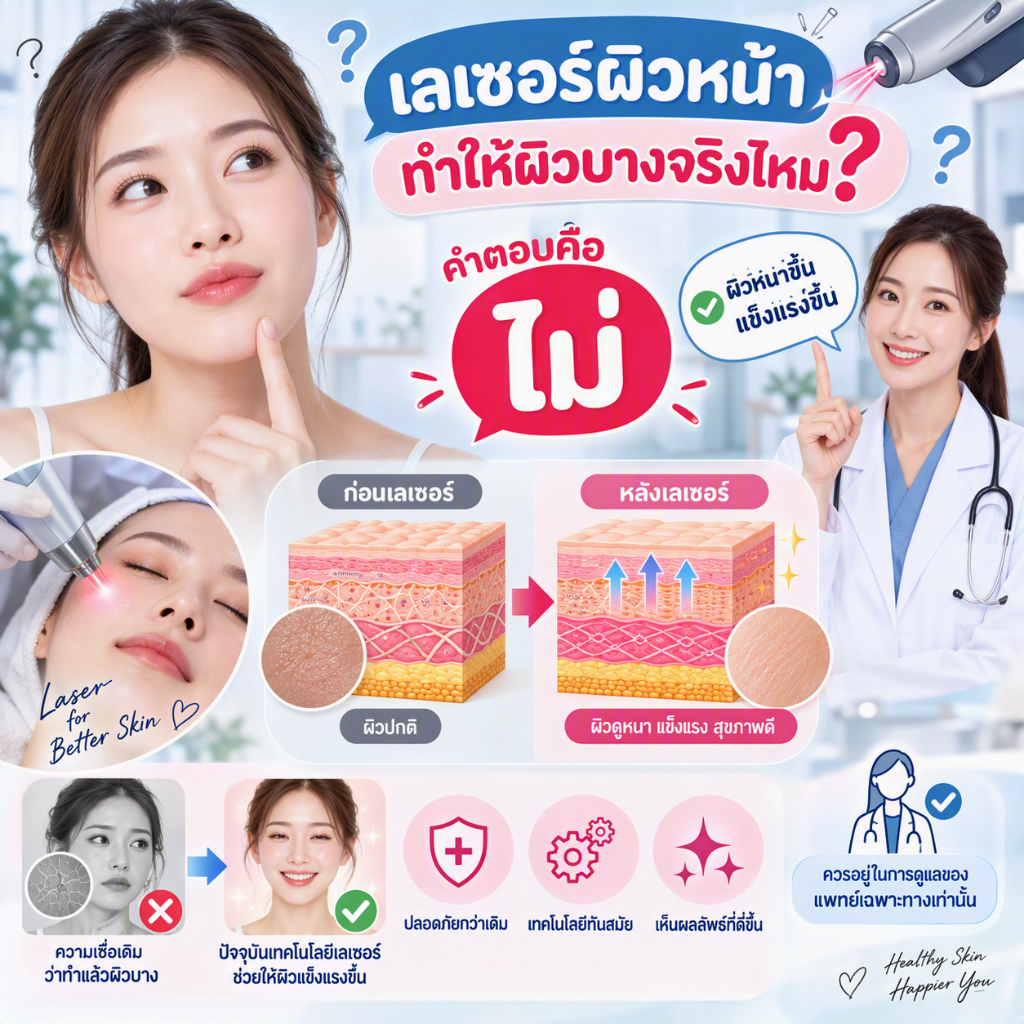
Myth busted: Modern facial laser treatments do not thin the skin; instead, when performed by a specialist, they build collagen to make it thicker and stronger.

For smooth, radiant skin, cleanse gently, apply makeup downward, enjoy deep cleansing treatments, exfoliate regularly, and let your skin rest makeup-free at least once a week.
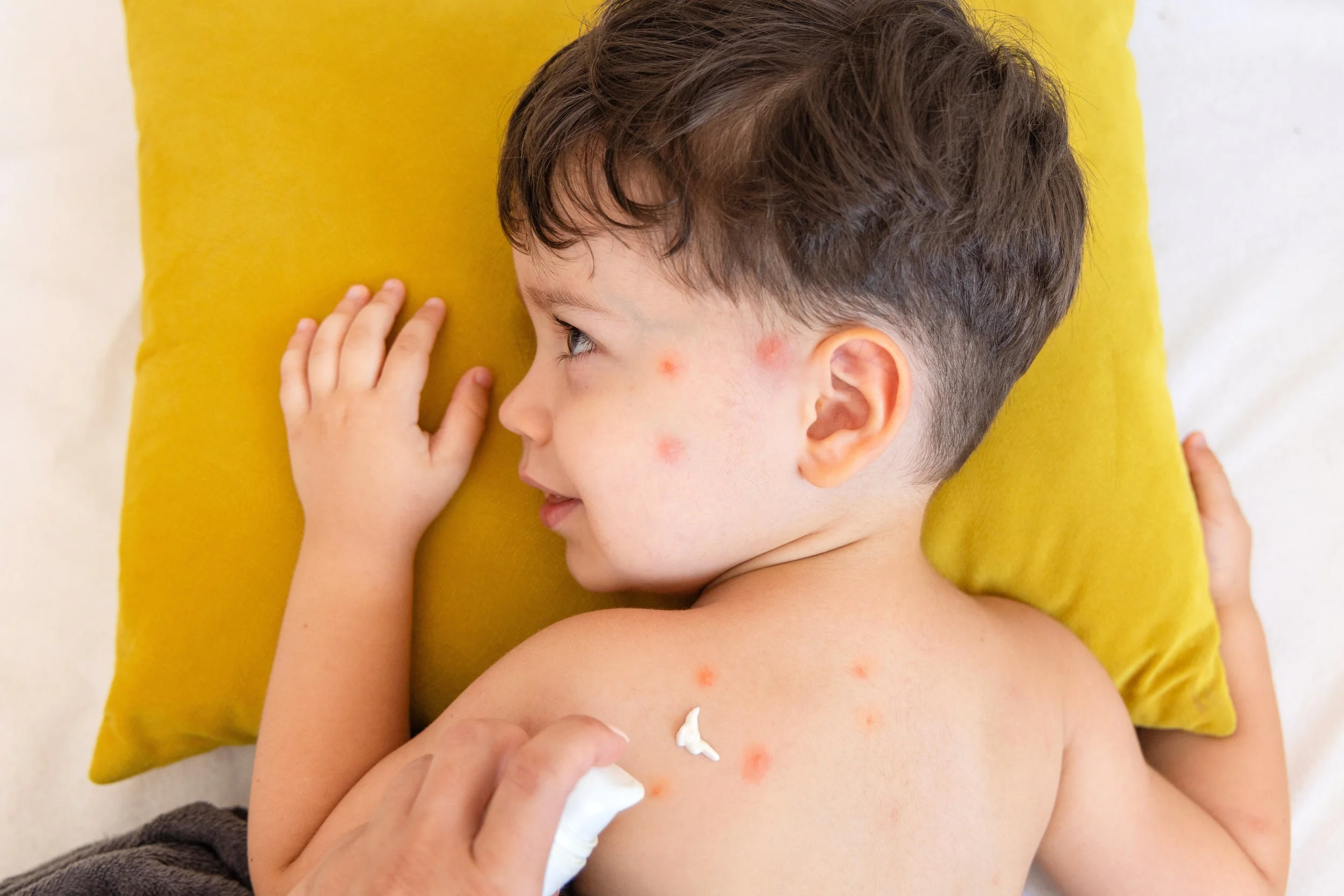
Avoid using mosquito repellents in infants under 6 months; use cautiously in young children (avoid hands, eyes, mouth, and broken skin), follow proper use to prevent toxicity, and consult healthcare professionals if unsure.

“DEET-free” means the mosquito repellent does not contain DEET (N,N-Diethyl-meta-toluamide), which normally provides 2–10 hours of protection depending on its concentration.
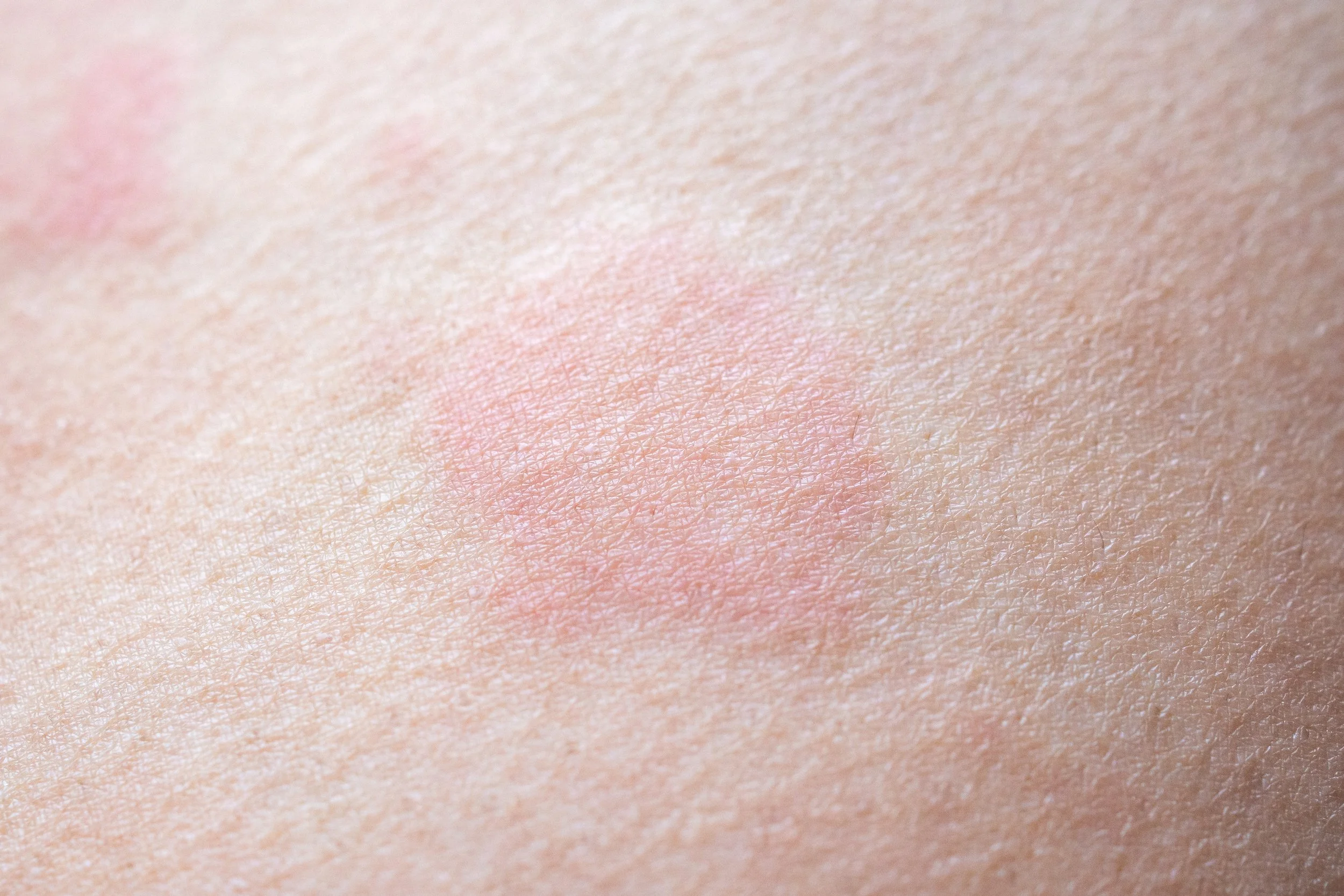
Moisturize regularly, use mild prescribed treatments, protect skin from sun exposure, and avoid harsh soaps to help restore and maintain healthy skin.

Babies (6+ months) should use physical sunscreen, while older children can use both types; choose SPF 30+, reapply often, and use protective clothing and sunglasses.

A good baby powder should be safe, non-irritating, moisture-absorbing, fragrance-free, and used carefully (not for newborns under 6 months, avoid direct application, and do not apply over medicated rashes).

Say goodbye to dandruff by using antifungal shampoo, washing hair properly, avoiding heat, and consulting a doctor if needed.

Dandruff caused by factors like Malassezia fungus, oily scalp, skin conditions, stress, hormones, weather, and hair treatments, leads to itching and visible flakes.

Prick, Patch, and Blood tests detect allergens differently, each with pros and cons, and the doctor chooses the best method based on symptoms and suspected triggers.

Sunscreen can cause skin allergies or irritation due to ingredients like PABA, octocrylene, octyl methoxycinnamate, alcohol, silicone, parabens, and oxybenzone.

Perfume can cause allergic reactions due to synthetic fragrances, essential oils, alcohol, or colorants, especially in sensitive skin.

Be cautious of chemicals in cosmetics—mercury hydroquinone, steroids, synthetic fragrances, and SLS/SLES can harm or irritate the skin.

Keep your skin clear and free from melasma and freckles with five simple steps use sunscreen daily, avoid strong sunlight, wear protective gear, apply anti-melasma cream, and eat antioxidant-rich foods.

Farewell to facial asymmetry — enhance your features safely with certified filler and expert doctors at Asoke Hospital Clinic.

Smooth out wrinkles and restore youthful skin with Botox, which relaxes facial muscles for a confident, wrinkle-free smile.

Restore a youthful, balanced look by filling hollow areas with 100% authentic filler—non-surgical, immediate results, and professionally administered.

Acousto E uses high-frequency sound waves to lift, tighten, and smooth skin, reduce wrinkles, and stimulate collagen for a youthful look—visible results after the first session.

Enhance facial balance and youthfulness with fillers that restore volume, define features, and boost confidence.

Why jaw appears bulky genetics, excessive bone growth, strong chewing muscles, and facial fat accumulation.

Tips before getting Botox: check for a protective seal, Thai FDA registration, matching lot numbers, visible crystals in the vial, and dissolve with saline.

Balance your facial shape with 100% authentic, FDA-approved fillers applied by expert doctors in a clean, professional clinic for safe, natural results.

Nighttime exfoliation helps your skin repair and rejuvenate while you sleep.

Lift and smooth skin naturally with Long Pulse ND YAG, which stimulates new collagen to reduce wrinkles and tighten skin.

Learn which type of alcohol in cosmetics suits your skin to avoid irritation and maximize benefits.

Did you know cosmetic alcohol comes in two types—fatty alcohols that are gentle and moisturizing, and antiseptic alcohols that can irritate and dry the skin?.

Watermelon for Beautiful Skin Lycopene and nutrients help control oil, tighten pores, and refresh the skin.

When choosing sunscreen, pick one with the right SPF for your skin tone and check labels like UVA, UVB, UVC, PA+++, and SPF for proper UV protection.

RF Lifting safely stimulates collagen to reduce wrinkles, tighten skin, and contour multiple body areas without pain.

Prevent foundation-related acne by using clean tools, applying along hair direction, patting gently, and moisturizing before makeup.
