

Services
Comprehensive treatments for skin diseases and conditions
*This website page cannot be translated*
Featured








Comprehensive treatments for skin diseases and conditions
*This website page cannot be translated*
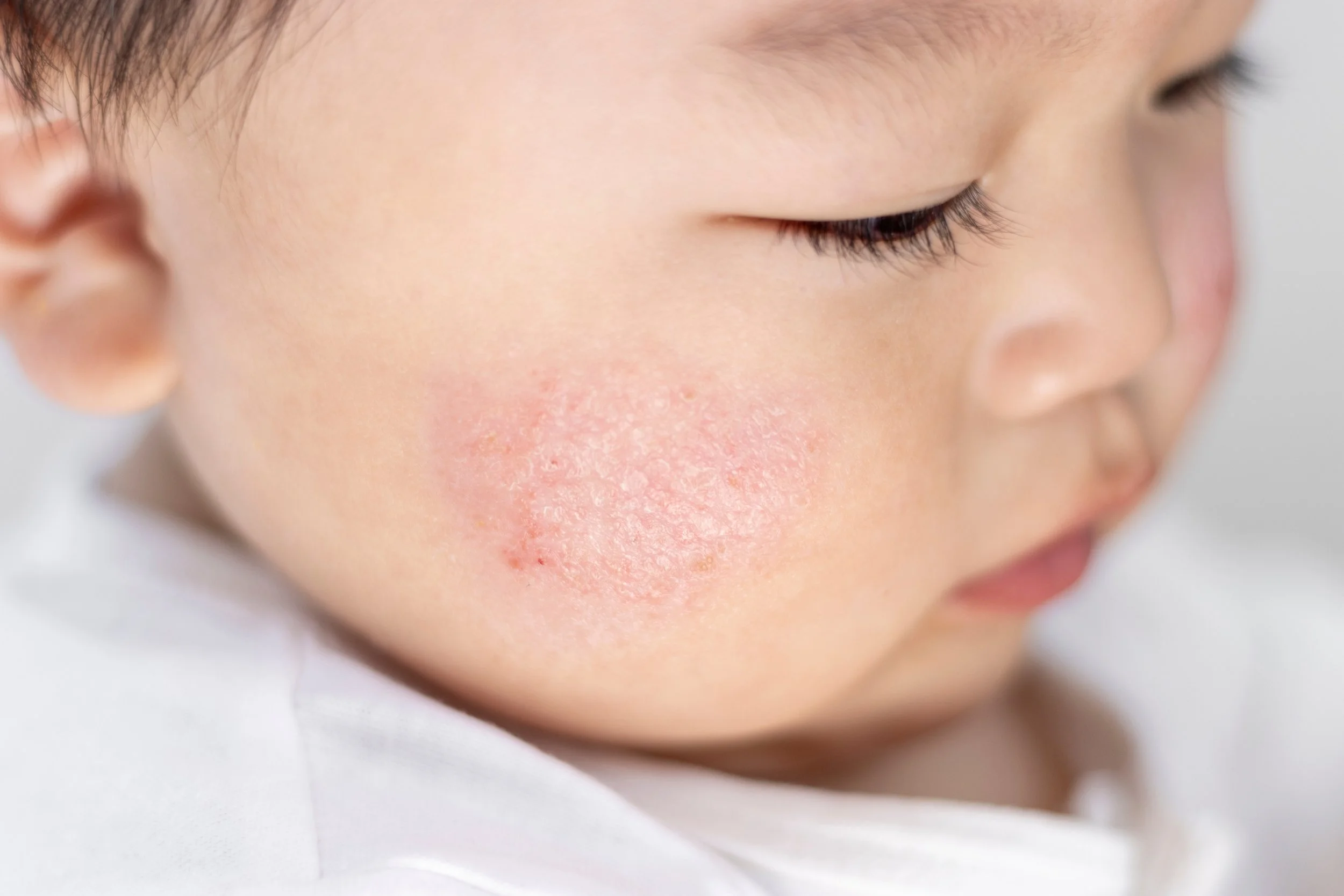
A common chronic skin condition in children causing faint, ill-defined pale patches (often on the face) with mild dryness or scaling, of unknown cause and not related to fungal infection.
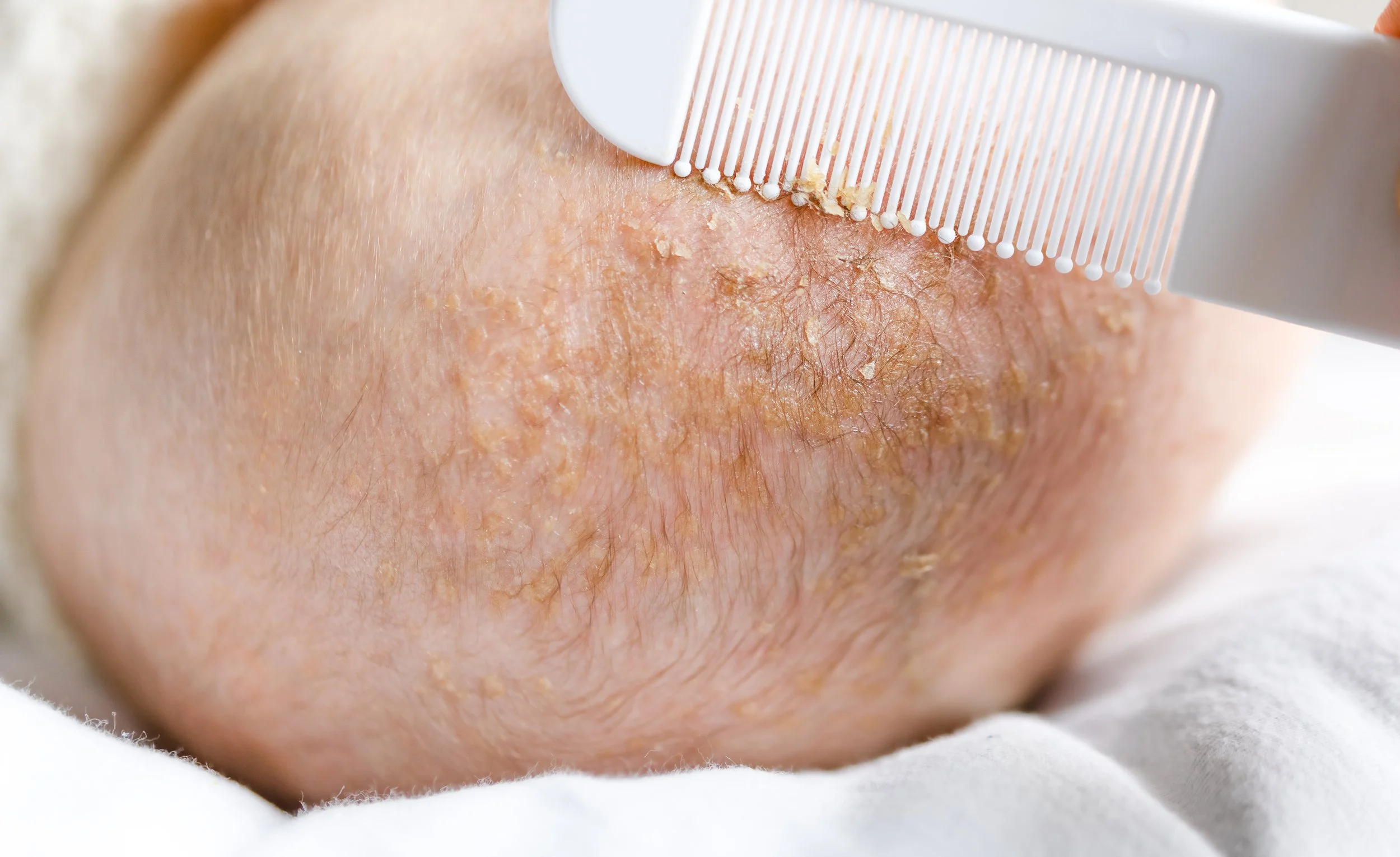
Gently manage seborrheic dermatitis in children by moisturizing, avoiding scratching, using natural oils and medicated shampoos like Ketoconazole when needed, and consulting a doctor for proper diagnosis.
Seborrheic dermatitis is a common inflammatory skin condition in infants affecting oily areas like the scalp and face, often mild, linked to factors like yeast and hormones, and typically improves by 6–8 months but may recur in adolescence.
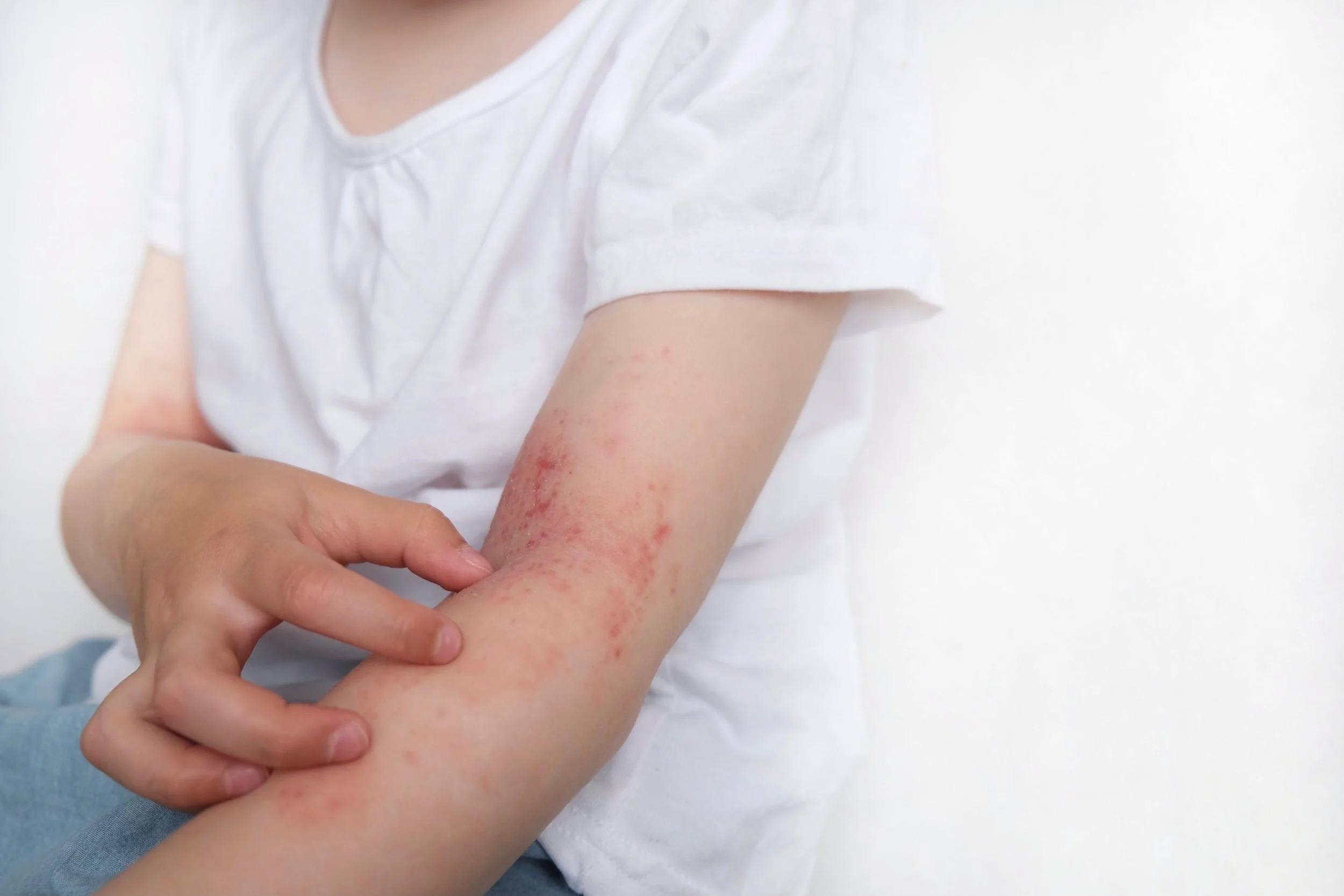
Atopic dermatitis is a common chronic skin condition in children causing itchy, dry, inflamed skin, manageable with proper skincare and avoidance of triggers.
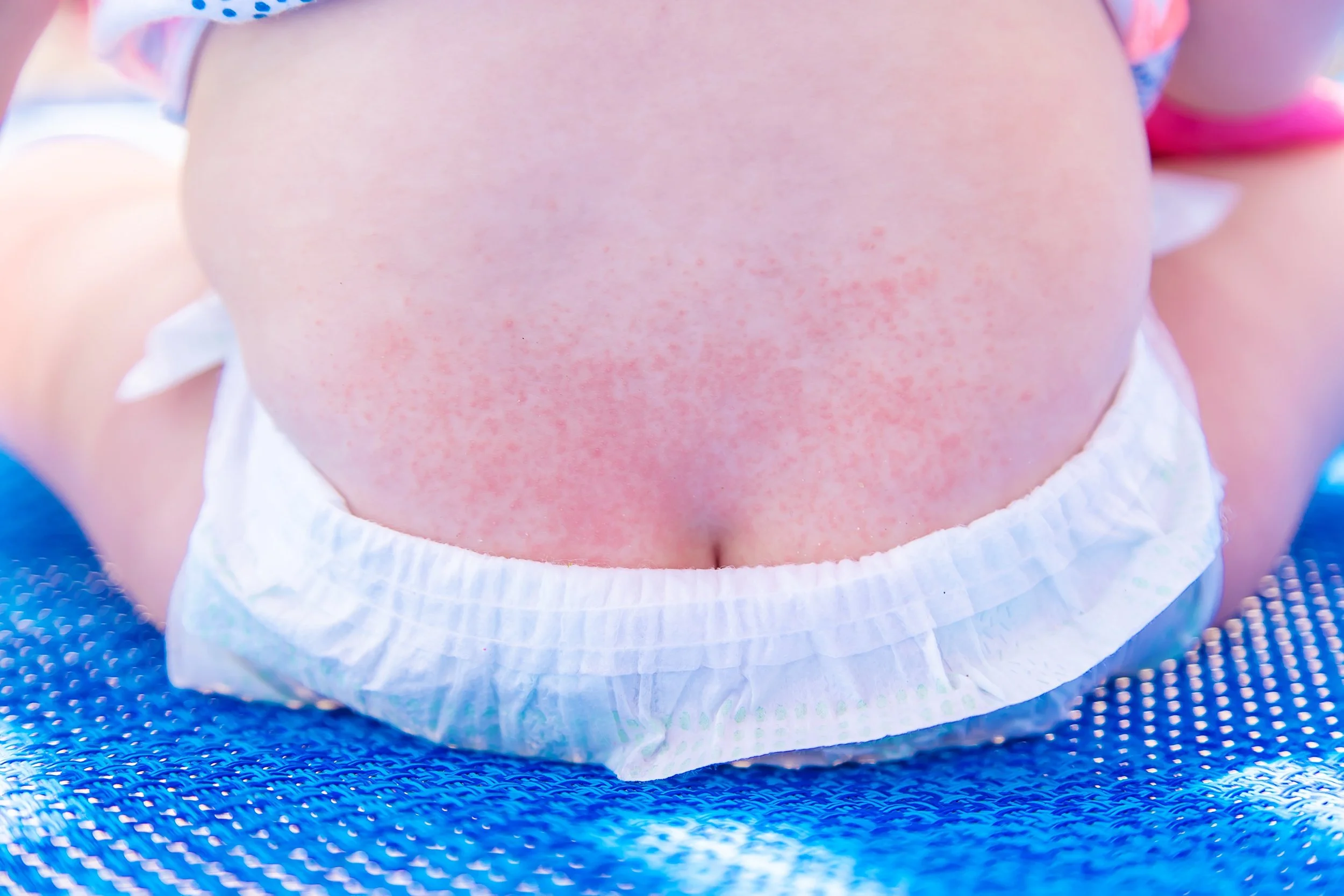
Common pediatric dermatitis (e.g., Atopic dermatitis, seborrheic, diaper, and contact dermatitis) is a recurrent itchy skin condition with stages from acute blisters to chronic thickened skin, influenced by genetic and environmental triggers and managed with skincare and medications if severe.
Babies (6+ months) should use physical sunscreen, while older children can use both types; choose SPF 30+, reapply often, and use protective clothing and sunglasses.
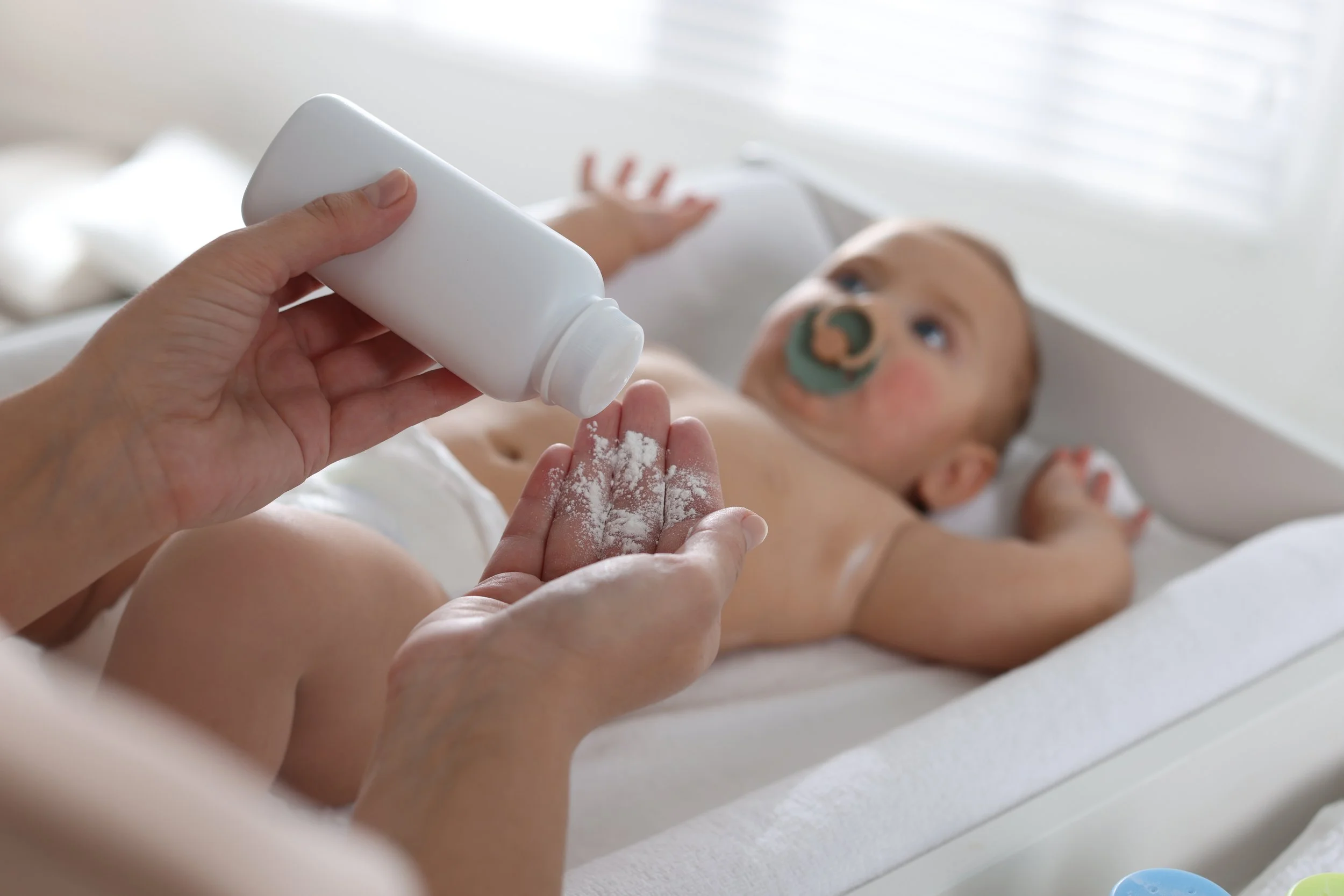
A good baby powder should be safe, non-irritating, moisture-absorbing, fragrance-free, and used carefully (not for newborns under 6 months, avoid direct application, and do not apply over medicated rashes).
For hospitalized young children with IV lines, gently remove adhesive with warm water or oil, moisturize skin, and reposition regularly to prevent irritation and pressure sores.
Healthy newborns should have their first bath delayed 6–24 hours to protect the skin, retain warmth, and allow gradual adjustment.
Vernix caseosa is a natural protective coating on full-term newborns that helps moisturize, protect skin, and guard against infection, so it doesn’t need to be removed immediatel.
Newborns—especially preterm babies—need extra skin care as they adapt to a new environment until their skin fully develops.
Clear, healthy skin comes from clean pores, even tone, and good hydration, while issues like acne, dark spots, large pores, and wrinkles can be prevented with proper cleansing, sun protection, suitable skincare, and healthy habits.
Skin is the body’s largest organ, with three layers and vital roles in protection, temperature control, sensation, and vitamin D production, affected by different skin types and harmful factors like UV, stress, and pollution.
Washing your hair frequently doesn’t always reduce dandruff, as over-washing can dry or irritate the scalp, so the ideal frequency depends on individual scalp conditions.
Say goodbye to dandruff by using antifungal shampoo, washing hair properly, avoiding heat, and consulting a doctor if needed.
Dandruff caused by factors like Malassezia fungus, oily scalp, skin conditions, stress, hormones, weather, and hair treatments, leads to itching and visible flakes.
Prick, Patch, and Blood tests detect allergens differently, each with pros and cons, and the doctor chooses the best method based on symptoms and suspected triggers.
Common foods that can trigger allergies include peanuts, tree nuts, cow’s milk, eggs, shellfish, fish, soy, wheat, and sesame, and medical advice should be sought if allergic reactions occur.
Food allergies can cause symptoms ranging from rashes and swelling to digestive issues, breathing difficulties, and life-threatening anaphylaxis.
Food allergies can cause reactions ranging from mild rashes or digestive issues to severe, life-threatening anaphylaxis, occurring immediately or hours later.
Sunscreen can cause skin allergies or irritation due to ingredients like PABA, octocrylene, octyl methoxycinnamate, alcohol, silicone, parabens, and oxybenzone.
Perfume can cause allergic reactions due to synthetic fragrances, essential oils, alcohol, or colorants, especially in sensitive skin.
Skin allergies from jewelry are often caused by nickel, which can irritate sensitive skin, especially with sweat or heat.
Be cautious of chemicals in cosmetics—mercury hydroquinone, steroids, synthetic fragrances, and SLS/SLES can harm or irritate the skin.
Avoid creams with steroids mercury, high-concentration hydroquinone, or unapproved bleaching agents for melasma, and consult a dermatologist.
Keep your skin clear and free from melasma and freckles with five simple steps use sunscreen daily, avoid strong sunlight, wear protective gear, apply anti-melasma cream, and eat antioxidant-rich foods.
Melasma are dark blurry patches while freckles are small, well-defined brown spots—each caused by factors like hormones, sunlight, medications, or genetics.
HPV vaccination for men helps prevent multiple cancers, genital warts, and virus transmission, is safe, and is recommended for ages 9–26.
To prevent monkeypox contamination, clean personal items with 70% alcohol, disinfect large surfaces with 0.1% bleach or 0.5% hydrogen peroxide, and have patients wash contaminated clothes separately.
Follow the “6 separations” at home—avoid contact, share of items, and common spaces with a monkeypox patient until all lesions have healed—to reduce infection risk.